

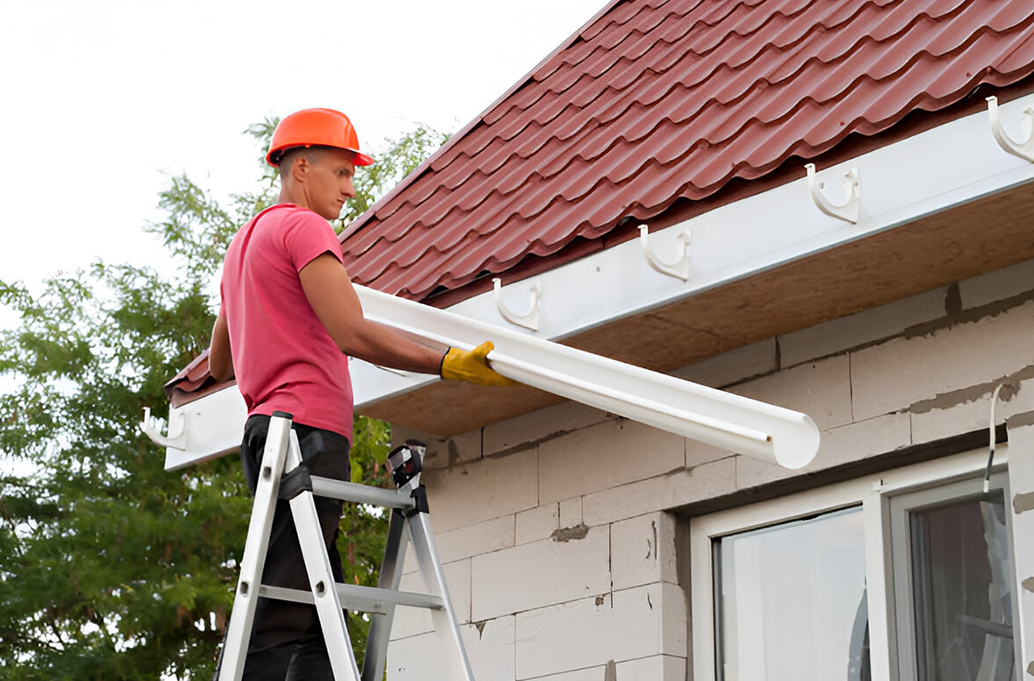
Every property owner understands the importance of a solid roof, but the unsung hero of home preservation actually sits right along the roofline. Your residential gutter system is your property’s primary defense against water damage prevention. When rain gutters work perfectly, they collect thousands of gallons of water rushing off your roof and channel it safely away from your home.
However, over time, aging components break down. When you neglect home gutter replacement, a failing system can quietly trigger thousands of dollars in hidden structural damage. If you are noticing issues with your home’s drainage, here is a comprehensive guide to what you should evaluate before investing in a new system.
Why Replacing Old Gutters Matters
Many homeowners view gutters as a minor cosmetic trim. In reality, an old gutters setup that leaks, overflows, or sags puts your entire property at risk. Delaying a necessary gutter replacement can lead to several severe structural issues.
- Foundation issues: When water pours directly over the sides of your roof instead of flowing through downspouts, it pools around your home’s base. Over time, this hydrostatic pressure cracks concrete foundations, causes basements to flood, and compromises structural integrity.
- Water damage risks: Overflowing rainwater rots wooden fascia boards (the boards your gutters mount to), degrades soffits, and leaks behind your siding, creating environments ripe for toxic mold growth.
- Landscape erosion: Uncontrolled cascading water carves deep trenches into your lawn, destroys expensive landscaping, and washes away foundational topsoil.
Investing in a proactive gutter installation preserves the equity of your home and stops costly water damage before it starts.
Signs Your Gutters Need Replacement
You do not always have to wait for a massive storm to realize your system is failing. Keep an eye out for these clear warnings that it is time to move past minor gutter repair and consider a full upgrade.
Visible Cracks and Splits
Even small fissures expand under the stress of heavy downpours or freezing temperatures. If you spot visible cracks in your channels, water is actively escaping and dripping onto your siding and fascia.
Rust and Corrosion
Older sectional steel systems are highly prone to oxidation. If you notice orange spots, flaking metal, or rust-colored stains on the ground below your roofline, the structural integrity of the metal is already spent.
Frequent Clogs
If you find yourself constantly clearing out clogged gutters, it might not just be a leaf problem. Sagging sections and improper pitching cause standing water to collect debris faster, trapping sediment and accelerating system failure.
Sagging Sections
When a gutter system pulls away from the roofline or sags downward, it means the hardware has failed or the fascia wood underneath is rotting out. A sagging gutter cannot properly transport water to the downspouts.
Peeling Paint or Water Stains
Take a walk around your home’s exterior on a dry day. If you spot peeling exterior paint, chalky residue, or dark water stains on your siding, water is regularly overflowing or leaking backward from your channels.
Pooling Water Around the Foundation
If you notice mud splashing up against your home or actual puddles forming right next to your foundation walls after a light shower, your roof drainage system is failing to carry the load away from your home.
Understanding Your Gutter Replacement Options
If you have decided that replacing gutters on a house is your next necessary project, your next step is choosing the right materials and configurations for your property.
Aluminum Gutters
Aluminum seamless gutters are the gold standard for modern residential gutter installation. They are lightweight, completely rust-proof, and highly customizable. They offer incredible longevity while remaining highly cost-effective for the average budget.
Copper Gutters
Copper is an incredibly durable premium material that naturally develops a beautiful greenish patina over time. It lasts for generations but comes with a significantly higher gutter replacement cost and requires highly specialized, artisan installation.
Vinyl Gutters
While inexpensive and easy to find at local hardware stores, vinyl is prone to becoming brittle. Extreme temperature swings can crack or warp vinyl rapidly, making it a poor choice for long-term water protection.
Steel Gutters
Galvanized steel is exceptionally strong and can withstand heavy snow or branch impacts. However, even with protective coatings, steel will eventually rust through at the joints, making its lifespan shorter than high-grade aluminum.
Seamless Gutters vs. Traditional Sectional Gutters
Traditional sectional systems come in pre-cut retail pieces fastened together with seams every 10 to 20 feet. Every single seam represents a weak link where debris hitches, sealant degrades, and leaks develop.
Conversely, seamless rain gutters are roll-formed directly on-site from a single continuous piece of metal, cut to the exact dimensions of your roofline. As illustrated in the diagram above, components like the end caps, gutter drops, and elbows are tightly integrated, eliminating the vulnerable mid-run seams that plague traditional systems.
Benefits of Choosing Seamless Gutters
Opting for seamless gutters provides substantial long-term advantages for your property’s exterior.
- Fewer leaks: By eliminating joints along the straight runs of your roofline, you remove the primary areas where leaks occur.
- Improved durability: The absence of seams prevents debris accumulations that cause standing water, premature rusting, and added weight strain on your hangers.
- Lower maintenance requirements: Smooth, continuous tracks mean water and leaves glide effortlessly to the downspouts, drastically reducing the time spent on gutter maintenance.
- Custom fit for homes: Because they are custom-fabricated right outside your front door, they align perfectly to your home’s unique architectural layout, offering superior curb appeal.
What to Expect During a Gutter Replacement Project
A professional installation is highly efficient and typically wraps up within a single day. Knowing the steps involved helps you prepare your property.
- Inspection: Technicians carefully tear away your old gutters and check the underlying fascia boards for hidden rot or structural damage that needs fixing first.
- Measurements: The installation crew takes precise measurements of your rooflines to plan slopes and downspout placements perfectly.
- Material selection: You lock in your preferences regarding color, material profile (such as K-style or half-round), and any integrated gutter protection systems (leaf guards).
- Installation process: Using a specialized mobile machine, the crew forms your seamless runs, attaches heavy-duty internal hangers, mounts them securely, and seals the corner miters and downspouts.
- Final quality check: The team conducts a complete walkthrough to ensure the pitch is correct for optimal water flow and leaves the work area spotless.
How to Choose the Right Gutter Contractor
The performance of your new roof drainage system depends entirely on the skill of the installers. To protect your investment, look for these foundational markers of an elite provider:
- Licensing and insurance: Never hire a crew that cannot immediately provide proof of comprehensive worker’s compensation and general liability insurance.
- Experience: Seek out localized experts who specialize exclusively in rainwater management rather than general handymen. For unmatched regional expertise and precise execution, it is best to partner with the seamless rain gutter experts at Southwest Seamless Rain Gutters to ensure your home stays fully protected.
- Customer reviews: Look for consistent patterns of punctuality, transparent pricing, and excellent clean-up habits across independent review platforms.
- Warranty coverage: Top-tier companies confidently back up their work by offering robust material and workmanship warranties.
Conclusion
Your gutters are your home’s first line of defense against foundation damage, structural rot, and exterior degradation. Being proactive about replacing your old gutters prevents minor water issues from turning into major construction headaches. By upgrading to custom-engineered seamless rain gutters, you secure peace of mind and long-lasting protection for your home for decades to come.