
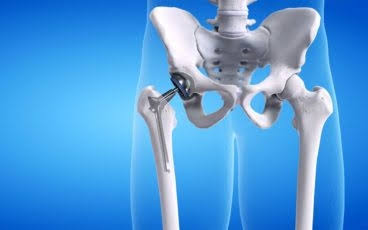
When your hip pain becomes too severe and starts to take over all parts of your life, you obviously start desiring a hip replacement surgery. However, the thought can be terrifying in both good and bad ways. Yes, you will get to walk comfortably again, sleep without pain, and have a chance to return to your everyday life, given enough time. But then, this is also a massive surgery that involves a lot of uncertainty. You cannot tell what sort of fate awaits you on the other side. As such, you don’t want to jump into the process unquestioningly, and you should stop to consider a few things before deciding whether this whole thing is genuinely going to help you or not. With that in mind, let’s take a look at what you can realistically expect from hip replacement surgery and whether the likely benefits actually outweigh the downsides for your specific situation.
When should you consider hip replacement surgery?
As you probably already know, hip replacement is an intricate surgery, not some band-aid fix for your joint. The discussion usually begins when X-ray imaging shows significant joint damage, along with how much your symptoms affect your quality of life. These signs can be quite easy to spot: struggling to walk short distances, having difficulty getting in and out of a car, putting on socks, climbing stairs, and feeling uncomfortable when lying in bed. Conditions like hip osteoarthritis tend to cause pain that keeps progressing until your joint loses all its abilities and your quality of life is compromised.
Depending on the severity of the pain that you are facing, your treatment may first involve more conservative methods – things like physiotherapy, therapeutic exercises, the use of medication, weight management, and changing activities that place excessive stress on the joint. For some people, the conservative route can help if their current life is flexible enough to accommodate change and their symptoms are mild to moderate. But if the impact on daily life has become too substantial to ignore, your route may involve surgery.
What should you consider before deciding on hip replacement?
The reason hip replacement has become such a common operation for many older people is not difficult to understand. For the right patient, it can be a life-saver. A simple replacement of the joint’s damaged part, combined with rehabilitation, can help people return to how their lives used to be and make ordinary activities feel ordinary again.
But the thing is, this is still a medical procedure at the end of the day, a pretty significant one too, at that. Like any other surgery, it comes with a specific set of risks: blood clots, infection, dislocation, nerve/tissue damage, and wear of the artificial joint over time. Although modern hip replacements are designed to last at least 20 years, they may eventually wear out or develop a problem that requires revision surgery later on.
Recovery is another part of this process that many people seem to underestimate. After surgery, you will need to use a crutch or a walking frame for some time as your body gets used to the artificial joint. You will have restrictions on activities such as driving, bending, and/or any physical work. More importantly, these restrictions and your recovery process can last several months, depending on your age, general health, fitness, and expectations from the surgery – after all, someone who wants to walk comfortably will experience a very different path to recovery than someone hoping to return to sports activities.
What questions should you ask a hip specialist before surgery?
If you are set on having a hip replacement surgery, you need to understand exactly what this procedure is going to involve, why it is needed for your joint, what benefits you are likely to experience once the rehabilitation is done, and whether there are any alternatives still available for you to try. You should also ask about risks that may be specific to your circumstances and what your recovery will actually look like – how long you might need the crutches, when you could drive again, when you could return to work, whether there are any activities you might need to modify afterwards. These will give you a very clear idea of whether getting the surgery right now is a good idea, given everything else that may be going on in your life.
You should also not hesitate to ask about your surgeon’s experience with hip replacement procedures. Let’s be frank here: this could be one of the most important moments for your general health, so you want the absolute best for your hip joint. As such, you should, without shame, ask how well they are with your specific procedure, what approach they are going to take with it, and what implant is being considered for your joint. Any genuinely good hip specialist in London and Essex will be more than happy to take up all these questions and help you feel assured that what you’re about to do next is indeed the best for your life.
How can you feel confident about your decision to have hip replacement surgery?
Look, at the end of the day, there is no way to answer concretely when someone should have a replacement. The answer to that is going to depend on you, what’s happening with your joint, and what its troubles are doing to your life.
But if you want to know whether the decision you’re making is a confident one, tick off the following first: You should have considered the severity of your symptoms. You have exhausted all your non-surgical options. You have a very good idea of the benefits of the surgery and the possible risks involved. You also have a good understanding of your recovery goals. You are not feeling pressured into having surgery just because your X-ray looks severe. You are also not avoiding surgery just because it looks and sounds intimidating on paper. You are completely sure of your choice of surgery and have verified their experience with replacement surgeries. Most important of all, you are prepared, both mentally and physically, for whatever lies ahead.
Once you are sure of all of these things, you’re ready to make your final decision. Remember that clear information and a thorough discussion with the right doctor can turn what feels like an uncertain decision into a considered, practical, and well-aligned choice that will help your life in the long run.