

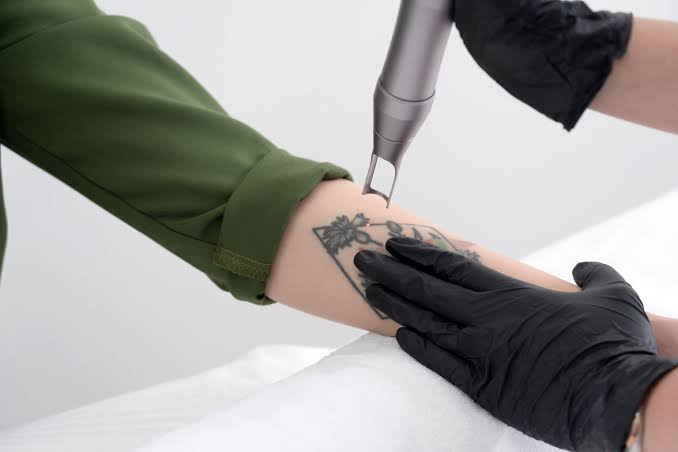
Tattoo removal isn’t a single appointment you book on a whim — it’s a treatment plan that unfolds over months, sometimes years, depending on the ink. A regretted name on your forearm or a faded amateur piece from a decade ago both need the same groundwork before you sit down for that first laser pass. Skipping the prep work is how people end up with scarring, uneven fading, or a clinic that overpromises and underdelivers. Here are the eight things worth confirming before you commit.
Confirm the Clinic Uses Medical-Grade Lasers
Not all lasers are created equal, and this matters more than almost anything else on this list. Q-switched Nd:YAG and picosecond lasers are the gold standard for breaking down tattoo pigment safely across different skin tones. Ask directly what equipment the clinic uses, and be wary of anyone who dodges the question or can’t name the device.
Cheaper IPL machines are sometimes marketed as tattoo removal tools, but they’re built for hair reduction and pigmentation, not for shattering ink particles lodged deep in the dermis. Using the wrong technology can mean burns, hypopigmentation, or simply no fading at all after paying for several sessions.
Check the Practitioner’s Training and Credentials
The person holding the laser should have documented training specific to tattoo removal, not just general cosmetic laser experience. In Australia, look for clinics where treatments are performed or supervised by practitioners with recognized laser safety certification. Ask how many tattoo removal sessions they perform weekly — volume matters when it comes to judging skin response and adjusting settings safely.
A clinic that’s happy to answer these questions without hesitation is usually one that takes the process seriously.
Get a Real Consultation, Not a Sales Pitch
A proper consultation involves examining your tattoo’s ink density, colors, location, and age, then explaining realistically how many sessions it will likely take. Black and dark blue ink respond fastest; greens, yellows, and whites are stubborn and sometimes never fully clear. If a consultation feels rushed or ends with pressure to book a package deal on the spot, that’s a signal to look elsewhere.
Good consultations also cover your skin type and any conditions — like eczema, vitiligo, or a history of keloid scarring — that could affect treatment and healing.
Ask About Total Sessions and Realistic Timelines
Most tattoos need somewhere between six and twelve sessions, spaced six to eight weeks apart, though heavily saturated or professionally inked tattoos can take longer. Anyone promising complete removal in two or three visits is either inexperienced or not being straight with you. Timelines also depend on your body’s lymphatic drainage, age, and general health, so expect a range rather than a fixed number.
Write down the estimate you’re given so you can track progress against it as sessions continue.
Understand the Full Cost Before You Start
Per-session pricing without context is misleading, since the real cost is total sessions multiplied by price per visit, plus any consultation or aftercare fees. Some clinics offer package pricing that works out cheaper over a full course of treatment, while others charge per square inch and add up quickly for larger pieces. Get an itemized quote in writing before your first appointment so there are no surprises halfway through.
If you’re comparing clinics, this is also where reputable options stand out — those offering professional laser tattoo removal in Sydney typically provide transparent pricing structures upfront, which makes budgeting for the full course far easier.
Review Aftercare Instructions and Support
Ask what aftercare looks like immediately following a session and in the days after — most clinics recommend cooling the area, avoiding sun exposure, and keeping the site clean and moisturized. Blistering, scabbing, and temporary discoloration are common and expected, but you should know in advance what’s normal versus what warrants a call to the clinic. A good provider gives you a direct line to ask questions between sessions, not just at booking.
Clinics that treat aftercare as an afterthought often see more complications in their client base.
Check Reviews and Before-and-After Photos
Testimonials matter less than actual visual evidence of fading progress across multiple sessions on real clients. Look for photos that show the same tattoo across a full treatment course, not just a flattering before-and-after pair that could reflect one easy case. Independent reviews on Google or industry directories tend to be more reliable than testimonials curated on a clinic’s own website.
Pay attention to comments about pain management, staff communication, and whether results matched what was promised at consultation.
Ask About Contraindications and Skin Testing
Certain medications, recent sun exposure, active skin infections, and pregnancy can all delay or rule out treatment temporarily. A responsible clinic will ask about your medical history and may perform a small test patch before committing to a full treatment plan, especially on darker skin tones where the risk of pigment changes is higher. This step gets skipped more often than it should, so don’t be afraid to bring it up yourself if it isn’t addressed.
Skipping this box is one of the most common reasons people experience unexpected side effects partway through their sessions.
Booking tattoo removal isn’t about finding the fastest or cheapest option — it’s about finding a clinic that can answer every one of these questions clearly and without hesitation. Walk into your first consultation with this list, and use how the clinic responds as your real test of whether they’re worth trusting with months of treatment ahead.