
Suspension upgrades can change how a Jeep, truck, or SUV looks, handles, and responds to challenging terrain. Added ride height may create room for larger tires and increase ground clearance, while properly matched shocks can improve control over bumps, dips, and uneven surfaces. However, the benefits depend on selecting components engineered for the specific vehicle.
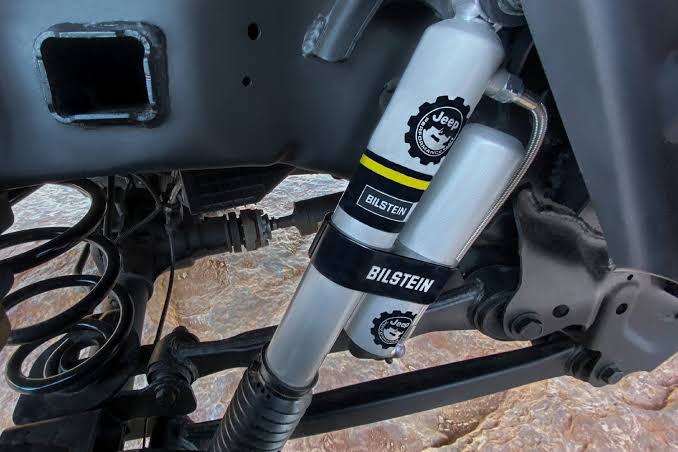
The selection of bilstein lift kits and suspension components available through 4 Wheel Parts includes options for different platforms, ride heights, and driving needs. Rather than choosing a shock or suspension system based only on advertised lift, owners should consider vehicle weight, factory geometry, typical cargo, tire size, and intended terrain.
A daily-driven SUV may require a different balance of comfort and control than an overland truck carrying permanent gear. Likewise, a Jeep used for technical trails may place different demands on its suspension than a pickup that primarily travels on pavement and maintained dirt roads.
Platform‑Specific Engineering That Maintains Proper Suspension Balance
Every vehicle platform has its own suspension layout, weight distribution, wheel travel, mounting dimensions, and factory geometry. A shock designed for one truck cannot be assumed to provide the correct travel or damping characteristics for another, even if both vehicles use a similar suspension design.
Platform-specific engineering accounts for factors such as vehicle weight, mounting position, spring behavior, and expected suspension movement. Correct extended and compressed shock lengths help prevent the shock from limiting wheel travel or becoming damaged when the suspension reaches its operating limits.
Damping is equally important. A shock controls how quickly the suspension compresses and rebounds after encountering a bump. If damping is too soft for the vehicle and load, the body may continue moving after an impact. If it is too firm, the ride may feel harsh and the tires can struggle to follow rapidly changing terrain.
Ride-height-adjustable shock options can help owners level a vehicle’s stance or create modest additional front clearance, depending on the application. Because adjustment ranges vary by platform, buyers should verify the exact part number and approved setting for their year, make, model, drivetrain, and trim.
A suspension system must also account for permanent accessory weight. Steel bumpers, skid plates, roof racks, spare-tire carriers, tools, and camping equipment can change ride height and handling. Recovery equipment and warn winch parts may add weight near the front of the vehicle, making appropriate spring and shock selection especially important.
Installing a higher-capacity shock does not increase the vehicle’s payload rating. Owners should continue to follow the manufacturer’s gross vehicle weight and axle ratings. Suspension components can help manage an appropriate load, but they do not change the structural or braking limits of the vehicle.
Alignment should follow any change in ride height. Caster, camber, toe, axle position, and driveshaft angles may be affected when the suspension is raised. Depending on the platform and amount of lift, control arms, track bars, sway bar links, bump stops, or other correction components may be necessary.
Suspension Upgrades That Enhance Control on Loose or Uneven Terrain
Loose gravel, washboard roads, deep ruts, and rocky trails require the suspension to react repeatedly and predictably. Shocks help manage this motion by controlling energy stored and released by the springs. Consistent damping can reduce excessive bouncing and help the driver maintain a steadier path across uneven ground.
Monotube shock designs separate the internal gas and oil, supporting consistent damping under demanding conditions. As the suspension cycles repeatedly, heat builds inside the shock. A design that manages heat effectively can help preserve more predictable performance during extended travel on rough roads.
Tire contact is central to off-road control. The suspension must allow the wheels to move over obstacles while helping the tires remain connected to the surface. Properly selected 4×4 tires add tread and sidewall characteristics suited to dirt, mud, rocks, or mixed terrain, while the shocks control how those tires move with the suspension.
All-terrain tires often provide a balance between highway manners and trail traction. Mud-terrain tires typically use deeper tread blocks and wider voids for softer surfaces, but they may create more road noise. Tire size, weight, load rating, and inflation pressure should be considered when choosing suspension settings.
Larger tires can increase unsprung and rotating weight. This added mass may change how quickly the suspension responds and can place greater demands on brakes, steering parts, wheel bearings, and axles. Shock selection should therefore be planned with the final wheel-and-tire combination in mind.
Vehicle stability also depends on spring rate and suspension geometry. Shocks do not carry the vehicle’s static weight in the same way springs do, so worn or poorly matched springs cannot always be corrected by installing new dampers. A complete assessment should consider springs, shocks, bushings, control arms, track bars, and sway bars.
Professional installation can help confirm that the shock body, reservoir, hoses, and mounting hardware clear surrounding components throughout the suspension range. Brake lines and ABS wiring should also be inspected at full extension, while tire clearance should be checked at full steering lock and compression.
Owners should periodically inspect suspension components after installation. Leaks, damaged bushings, loose hardware, bent brackets, or contact marks can indicate a developing problem. Fasteners should be checked and retorqued according to the component manufacturer’s recommendations.
No suspension upgrade removes the need for responsible driving. Speed should always be adjusted for visibility, traction, vehicle load, and trail conditions. Nevertheless, vehicle-specific shocks and lift components can provide a more controlled foundation for travel across loose or uneven terrain.
The most effective suspension setup is one that matches the vehicle platform and the way it is actually used. By coordinating ride height, damping, spring capacity, geometry, and tire selection, Jeep, truck, and SUV owners can improve off-road control while maintaining balanced everyday performance.