

Most clinic buyers get burned by the same thing: they judge a toxin supplier by the homepage, not the checkout page. The homepage is a brochure. The order sheet is a confession. It tells you whether the seller has ever handled a regulated shipment, whether they know what a lot number is, and whether the fine print protects you or them.
I’ve audited supplier pages for independent med spas for years, and the pattern never changes. Sellers who know their product write boring, specific terms. Sellers who are reselling something they’ve never touched write vague ones. Here’s how to tell the difference in about fifteen minutes, and why looking for a trusted source of Korean botox online starts with reading terms instead of product photos.
Why the order sheet matters more than the product page
A product page sells a vial. An order sheet sells a relationship. Everything that goes wrong between payment and unboxing, from customs holds to melted ice packs to a vial that arrives with a smudged label, gets resolved by whatever language was sitting in the fine print when you clicked buy. Ignore it and you’re negotiating from a position of zero leverage. Read it first and you’re choosing a business partner.
This is also where the honest sellers separate themselves. A supplier who states plainly that a vial can arrive warm, or that lyophilized product may look nearly empty, is telling you they’ve opened one. That’s the signal you’re hunting for.
Audit the sheet: five checks before you pay
Run these in order. Any single failure is worth a question. Two failures and you walk.
- Lot and expiry visibility. A real distributor lists batch or lot numbers and expiration dates, even on clearance items. Expiry dates buried nowhere on the page mean no inventory control behind the curtain.
- Shipping temperature language. Look for a plain statement about transit warmth and melted ice packs. Vague reassurances are worse than honest caveats.
- Customs and duty terms. Who eats the tariff? Who handles the brokerage fee? If the answer is “you’ll find out,” that’s a number they’re hiding, not a detail they forgot.
- Refund exclusions. A supplier who rules out reshipments for warm arrival is telling you exactly how much risk they intend to carry. Spoiler: none.
- Contact reality. An email address and a form are table stakes. A named business entity and a responsive reply within a day is a different tier of operation.
The temperature clause is the one I’d rank above all others, and it’s the one buyers skip. Botulinum toxin is a protein, and protein handling is not a mystery. The World Trade Organization frames cross-border goods movement as a documented chain of custody, and any seller dealing in temperature-sensitive product should be able to describe that chain for you in two sentences. If they can’t, they’re drop-shipping.
The Botulax math: what 200 units actually buys you
Do the reconciliation before you add to cart, because this is where your margins live. A 200 unit vial reconstituted with the standard 2ml of preserved saline gives you 100 units per ml. From there, the arithmetic is straightforward and you should never let a supplier do it for you.
| What you’re buying | What you’re actually getting | Why it matters to your books
|
|---|---|---|
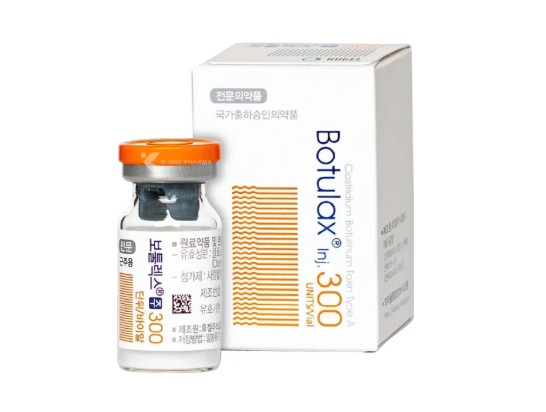
| botulax 200 units | 200 units of lyophilized powder in one vial | Smallest meaningful vial for a mid-volume practice |
| Free 1ml syringe plus saline | Your reconstitution kit, bundled | Removes a line item and a separate shipment |
| Warm-transit disclaimer | Stated risk of reduced potency in summer | Plan your order calendar around it, not against it |
| Customs handling fee | Charged by the carrier at the border | Budget it into landed cost, not sticker price |
That last row is the one that bites. A vial priced at one number and landed at another is a completely different purchase. Sticker price is a marketing decision. Landed cost is a business one.
Worth noting: when you price out botulax 200 units against the smaller 100 unit vial, the per-unit economics usually favor the larger vial, but only if your patient volume will clear it inside the product’s useful window. Buy the size your schedule supports. Bulk feels efficient and quietly becomes waste.
What regulation tells you about a seller’s seriousness
Botulinum toxin sits in a heavier regulatory class than filler or skin booster product, in essentially every market that permits it. That means the supplier you choose is effectively taking on compliance work on your behalf, whether or not they advertise it. Customs agencies treat the shipment as regulated goods, which is why tariff and brokerage language shows up in a legitimate order flow.
The International Trade Administration publishes guidance on importing regulated goods into the United States, and reading it will make you a sharper buyer within an hour. You’ll know which questions a real distributor answers before you ask them, and which ones produce silence.
The questions I’d ask before the first wire
Four questions, sent as an email, before money moves. How a seller handles these tells you more than a hundred product photos ever will.
- Can you confirm the lot number and expiration date on the specific vial that ships?
- What is the exact landed cost including customs handling, delivered to my zip code?
- If the shipment is held at the border, what happens and who communicates with me?
- Do you replace a vial that arrives with a damaged seal or unreadable label?
Number four is my line in the sand. Any supplier willing to put a seal-damage replacement in writing has handled a QC complaint before and survived it. Anyone who dodges the question is telling you their volume comes from buyers who don’t ask.
One more habit worth building: verify the storefront itself. Check the domain’s registration age and ownership through ICANN, the body that coordinates domain name records. A shop that’s been live for two weeks and wants a bank wire is a different proposition from one with a multi-year record. It takes ninety seconds and it has saved more than one med spa director from an expensive lesson.
A short story about a cheap vial
A buyer I know sourced serum vials from a no-name storefront at a price that looked like a typo. It arrived in a padded envelope. No cold pack, no box, no insert, and a label printed on a home inkjet that smeared when she touched it. She couldn’t trace the vial, couldn’t dispose of it through her normal medical waste channel without paperwork she didn’t have, and couldn’t get a reply from anyone.
The money wasn’t the expensive part. Disposal, documentation, and the hour spent explaining it to her medical director were. Cheap product with no traceability is a liability you pay for in time, and time is the one thing a clinic never has spare.
Building a supplier file you’ll actually use
Screenshot every order confirmation. Save lot numbers to a simple spreadsheet. Note the arrival condition and the date. Do this for three months and you’ll have something no competitor can copy: your own record of which supplier behaves under pressure. That file is worth more than any listicle, mine included.
Run the five checks on your next order before you check out. The template above works for any regulated aesthetic product, not just toxin, and it takes less time than scrolling a menu. Which of the five checks has your current supplier never once passed? That answer is your shopping list.