
You saw it happen, or maybe you only noticed the blood, the drooling, or the way your pet suddenly stopped chewing on one side. A loose tooth in a dog or cat can feel minor at first, especially if your pet still seems alert and wants to eat. It rarely stays minor for long and may require urgent veterinary care in Crestview. A tooth that has been knocked loose can be painful, unstable, and at risk for infection, and the wrong move at home can make the damage worse.
If your pet’s tooth is loose after a fall, rough play, a hit to the face, or chewing something hard, the safest next step is urgent veterinary care. Do not pull the tooth out yourself, do not wiggle it to “check,” and do not assume it will tighten back up on its own. Some injured teeth can be saved, some need removal, and timing matters.
A knocked loose pet tooth can mean more damage than you can see
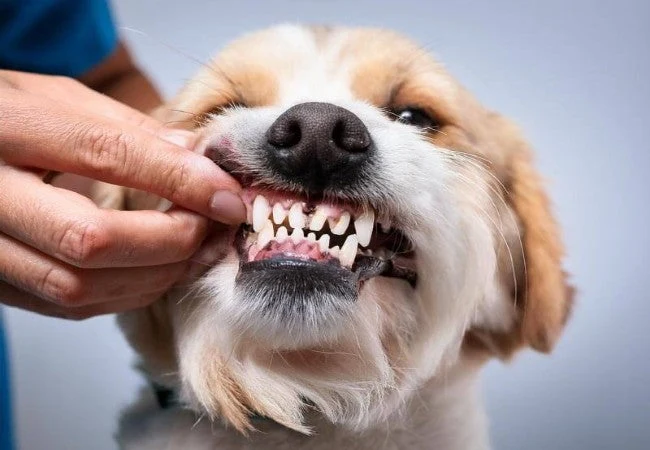
When a tooth is displaced, there may be injury to the root, the ligaments that hold the tooth in place, the surrounding bone, or the pulp inside the tooth. That is why a tooth can look only slightly crooked and still be in real trouble. You may be dealing with a cracked tooth, a jaw injury, or damage below the gumline that only dental X rays can confirm.
Your pet will not explain where it hurts. They often keep eating, still greet you at the door, and act mostly normal while avoiding pressure on the sore side. You might only see pawing at the mouth, dropped food, chattering teeth, bad breath, or a little blood on a toy. In cats, the signs can be even quieter. They hide pain well, then suddenly stop grooming or lose interest in food.
What to do with a pet’s tooth after it is knocked loose starts with protecting the area, not testing it. Keep your pet calm, remove hard toys and chews, offer soft food if they want to eat, and get them examined as soon as possible. If there was head trauma, heavy bleeding, trouble breathing, or your pet seems disoriented, treat it as an emergency right away.
Handling a loose dog or cat tooth at home has real limits
A lot of people want to help by rinsing the mouth, touching the tooth, or trying to put it back where it belongs. That instinct makes sense. It can also increase pain or introduce bacteria. Unlike a child losing a baby tooth, a dog or cat with an adult tooth injury needs a medical assessment. A loose adult tooth usually means trauma or advanced dental disease, and both require treatment.
If the tooth came all the way out, save it if you can do so safely. Pick it up by the crown, not the root, and place it in clean saline or milk. Then bring it with you. Reimplanting teeth in pets is not as simple as it is sometimes portrayed in people, but the tooth and the history of the injury still help the veterinary team decide what is possible.
Dental trauma can also lead to endodontic disease, which affects the inside of the tooth and may not be obvious on day one. The University of Illinois explains how veterinary patients are treated for endodontic disease, including cases where the tooth structure is still present but the inner tissue has been damaged.
Pet tooth trauma care is often a choice between stabilizing and saving the tooth or removing a tooth that cannot recover. That decision depends on your pet’s age, the type of tooth, how loose it is, whether the root is fractured, and whether the surrounding bone is intact.
Veterinary dental treatment gives you answers that home care cannot
A proper exam usually includes sedation or anesthesia for a full oral assessment, because painful mouths are hard to evaluate safely when a pet is awake. Dental radiographs show whether the root is broken, whether the tooth has been pushed into the socket or partly pulled out, and whether infection is already present. Treatment may involve splinting the tooth, extracting it, cleaning damaged tissue, and treating pain.
The University of Florida’s dog and cat dentistry resource outlines the range of dental issues pets can face, from trauma to periodontal disease, and why imaging and professional care matter.
This is where cost worries often hit. You may be thinking it is “just one tooth.” The problem is that one injured tooth can lead to a deeper infection, chronic pain, refusal to eat, or ongoing jaw sensitivity if it is ignored. Early care usually costs less than waiting until swelling, abscess, or severe disease sets in.
Home monitoring and animal urgent care are not equal options
| Situation | Home Monitoring | Animal Urgent Care |
|---|---|---|
| Tooth is slightly loose but pet seems normal | Pain and root damage may be missed | Exam can identify hidden injury before infection develops |
| Visible bleeding from the mouth | Bleeding may restart, source may be unclear | Bleeding source can be checked, pain treated, trauma assessed |
| Tooth is displaced, crooked, or partially out | Touching it can worsen damage | Stabilization or extraction can be planned safely |
| Pet refuses hard food or chews on one side | Signs may progress over days | Dental X rays can reveal fracture or pulp injury |
| Tooth fell out completely | Storage mistakes reduce options | Tooth can be evaluated along with gum and bone injury |
Three steps to take right now after a pet tooth injury
- Protect the mouth. Remove bones, balls, ropes, sticks, and hard treats. Do not brush the area. Do not tug on the tooth. Offer soft food and water, and stop rough play.
- Save any tooth that came out. Handle it by the crown if possible, place it in milk or saline, and bring it with your pet. If your pet will not let you near the mouth safely, do not force it.
- Get prompt professional care. A loose pet tooth after trauma needs an exam, even if your pet still acts okay. Animal Urgent Care can help determine whether the tooth can be saved, whether pain control is needed, and whether there is deeper oral or facial injury.
Fast care can spare your pet more pain
You do not need to figure this out alone, and you do not need to guess whether it is serious enough. If your pet’s tooth has been knocked loose, the safest move is quick evaluation and gentle handling until then. The goal is simple. Reduce pain, prevent infection, and avoid losing treatment options by waiting too long.
If your pet has a knocked loose tooth, seek Animal Urgent Care as soon as possible so the injury can be assessed and treated before it gets worse.