

Finding out that you have an unplanned pregnancy and need to end it can bring up a lot of emotions for many, though the biggest of the bunch is uncertainty – uncertainty with what actually happens before the procedure itself. It stems from a somewhat misplaced assumption that if you book an appointment for any health issue, you will have no time to prepare and will have to receive treatment right away.
That’s not quite how it works, actually. When it comes to abortion in particular, most reputable clinics prefer to carry out a thorough assessment first to make sure that whatever method is chosen afterwards is safe, appropriate, and tailored to your individual circumstances. So, keeping all this in mind, let’s take a look at how clinics actually assess their patients and whether there is anything you need to do to prepare for a pre-abortion consultation.
How is your pregnancy confirmed before an abortion?
The first step in this consultation is generally to confirm your pregnancy and gather information about your overall health. Now you might be thinking that you’ve already taken a home pregnancy test and it came out positive, so why require another? Well, to be fair, your clinic cannot take any risks with your health. As such, they must check how far along you actually are and, just as importantly, if you might need further investigations down the road.
You should probably prepare yourself to answer things like: the first day of your last menstrual period, previous pregnancies, and history of miscarriages. This will further help your doctors estimate your gestational age and figure out the right method of adoption for your case.
Your medical history will also be required, and you should share it honestly with your doctor. They’ll ask if you have any chronic conditions, allergies, previous surgeries, or if you are currently on any medications. Please share all of these things truthfully and without any hesitation, as they very much affect the course your abortion procedure might take in the future.
Before wrapping things up, you may also be asked about your lifestyle factors, things like whether you smoke, consume alcohol, or use any recreational drugs. When asked about these things, please remember that it is not to judge you, but to make sure that nothing from your life will end up influencing the outcomes of the abortion process.
Do you need to take physical and diagnostic tests before an abortion?
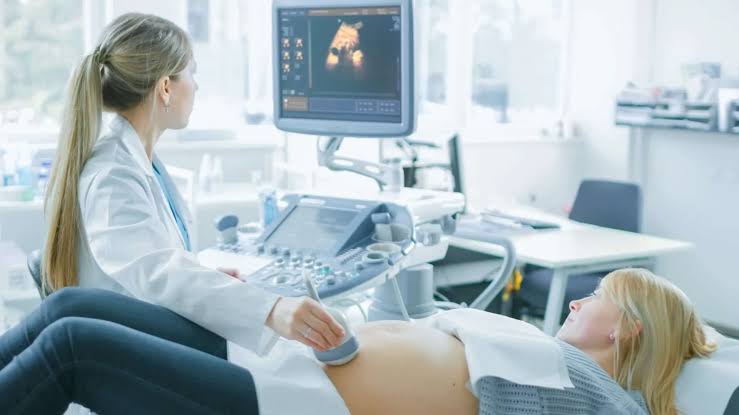
Yes. While not everyone is required to take these, most clinics do carry out a series of tests to ensure that your abortion can be performed safely. First is the ultrasound scan, which helps visualise the nature of your pregnancy. This is often paired with blood tests that confirm your blood group, check your Rhesus (Rh) status, measure your haemoglobin levels, and assess other markers depending on your medical history. Some people’s cases may also call for a test to check for sexually transmitted infections, especially if there are symptoms or risk factors that were previously identified during the discussion stage.
Something you should know about this stage is that if you are attending a private gynaecologist in London, you can expect most of these investigations to take place during the same visit. Whereas on the NHS, you may need multiple appointments to get everything done. This can help reduce delays while ensuring that clinical findings are based on accurate information rather than the doctor’s assumptions.
How do doctors decide the most suitable abortion method for you?
Once everything is gathered and in order, the conversation will then focus on finding the most appropriate treatment option for you. Generally speaking, abortion care comes in two ways: medical abortion and surgical abortion. The choice between the two depends on factors such as your gestational age, medical history, and, most importantly, your personal preference. You may also need to consider your travel or home situation when deciding between the two.
As for how they work, medical abortion involves the use of two pills that are taken one after the other to end the pregnancy and cause the uterus to empty out naturally. For people who are pregnant within the gestational ages of 1-10 weeks, this is arguably the more effective option of the two. Not only that, but it is also safe and can even be undertaken from the comfort of your home.
A surgical abortion is managed in a clinical setting using different techniques appropriate for different stages of pregnancy. This may sound intimidating at first, but know that these procedures are safe and routinely performed by doctors. Not to mention, medical procedures like this have come a long way in recent times, thanks to technological advancements. Meaning there is practically a protocol in place to address every possible complication that may arise during treatment.
When deciding between the two, we should take the time to understand the benefits and limitations of each option rather than steer ourselves towards a particular choice from the get-go. Sure, some people will prefer the privacy of managing the entire abortion process at their own homes, but there are also benefits to getting the procedure completed in a clinic. It all comes down to your personal preferences and circumstances.
Start your abortion process today
Look, if all of this could be boiled down to one guiding principle, it’s that abortion is all about making sure that you receive care that is both safe and appropriate for your individual circumstances. For that reason, these early consultations are paramount, as they help doctors understand your case in its entirety and develop the most appropriate treatment.
With all that said, if you’re still on the fence, just take the first step and get in touch with a service provider you trust. Once you complete the initial consultation and identify the method that works best for you, you will be in a much stronger position to take on whatever comes next.