

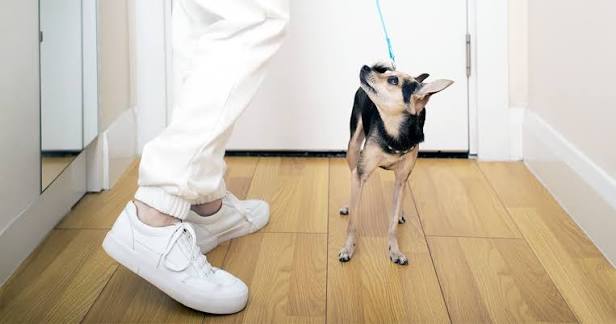
You notice it before anyone else does. A walk that used to mean fresh air and a little exercise now turns into stop after stop, squat after squat, and sometimes an accident before you even make it outside. It is frustrating, messy, and hard not to worry about. When your dog suddenly needs to urinate more often, the change usually means something. Sometimes it is mild and easy to treat. Sometimes it points to a larger health issue that needs care soon, and while that concern is different from pet dental care in Roanoke, both are important parts of protecting your dog’s overall health.
When your dog’s walks become frequent bathroom breaks, the pattern matters as much as the puddle. Is your dog asking to go out more often but only passing a few drops. Is your dog drinking bowl after bowl of water and producing large amounts of urine. Those details help separate bladder irritation from conditions that affect the kidneys, hormones, or blood sugar. A general veterinarian can sort that out quickly, and getting answers early often saves money, discomfort, and stress.
Frequent urination in dogs usually has a cause you can track
One of the hardest parts is not knowing whether this is bad behavior or a medical problem. Many owners worry their dog is being stubborn, marking, or losing house training. That does happen, but a dog that suddenly urinates more often is often dealing with physical discomfort, not poor manners. Texas A&M explains that changes in potty habits can reflect medical issues as much as training problems, especially when the behavior is new or out of character. Their overview on poor potty manners in dogs is a helpful reminder that behavior and health often overlap.
A dog with a urinary tract infection may strain, squat often, or pass only small amounts. Some dogs lick at the area more than usual. Some seem restless, tired, or bothered when they try to urinate. Cornell’s guidance on urinary tract infections in dogs notes that bacterial infections are a common reason for frequent urination, and they need treatment, not guesswork.
Then there is the other pattern. You fill the water bowl, turn around, and it is empty again. Your dog is not just urinating more often. Your dog is drinking more and producing a lot more urine. That can point to a wider issue such as diabetes, kidney disease, Cushing’s disease, or other causes of excessive thirst and urination. Cornell’s review of polyuria and polydipsia in dogs explains how this pair of symptoms can signal conditions that go beyond the bladder.
This is where many people get stuck. You wait a few days because your dog still seems happy. Then the accidents keep coming, sleep gets interrupted, and the worry grows because now you are watching water intake, checking the floor, and wondering whether this is turning into an emergency.
Small accidents can point to bigger problems
A simple bladder infection can become more painful if it lingers. Bladder stones can irritate the urinary tract and block flow. Diabetes can cause weight loss and dehydration. Kidney disease can creep up quietly, especially in older dogs. Even anxiety or age related incontinence deserves attention because it changes your dog’s comfort and your daily routine.
You may also be dealing with the cost side of this. Repeated accidents mean more cleaning supplies, more laundry, and sometimes damage to floors or rugs. If you delay care and the problem worsens, the eventual visit may involve more testing and more treatment than it would have earlier. Getting a general veterinarian involved at the first clear change is often the more practical choice.
Watching the pattern helps your veterinarian narrow the cause
The details you notice at home are useful. A dog that asks to go out every hour but only passes a little urine often fits a different pattern than a dog that floods the yard with a full bladder each time. Blood in the urine, straining, fever, vomiting, weakness, or refusal to eat raise the stakes. So does a male dog who appears unable to pass urine at all. That needs urgent care.
| What You Notice | What It Can Suggest | What To Do |
|---|---|---|
| Frequent squatting, only small amounts | Urinary tract infection, bladder irritation, stones | Schedule a veterinary visit soon and bring a urine sample if asked |
| Drinking much more water and producing large volumes of urine | Diabetes, kidney disease, hormonal disease, medication effect | Book an exam promptly and track water intake if possible |
| Accidents during sleep or while resting | Incontinence, age related changes, neurologic issues | Arrange a routine exam and note when leaks happen |
| Straining with little or no urine, crying, or distress | Possible blockage or severe urinary pain | Seek urgent veterinary care right away |
More bathroom trips for your dog call for simple, immediate steps
- Track the change for 24 hours.
Write down how often your dog urinates, whether the amounts are small or large, and how much water your dog drinks. Note any blood, straining, licking, or accidents. This gives your veterinarian a cleaner picture than trying to remember details from a stressful week.
- Do not restrict water unless a veterinarian tells you to.
It is tempting to pull the bowl up so the accidents stop. That can make some conditions worse and can hide a symptom your veterinarian needs to evaluate. Keep fresh water available and focus on more frequent potty breaks until your appointment.
- Call for an exam if the pattern is new, persistent, or paired with other symptoms.
Increased urination in dogs is one of those signs that can look minor at first and still deserve prompt attention. A general veterinarian may recommend a urine test, blood work, imaging, or all three, depending on the pattern. That workup helps separate a treatable bladder issue from a broader medical condition.
Early care protects your dog and lowers the stress at home
You are not overreacting by paying attention to this. When a dog starts turning every walk into a bathroom break, there is usually a reason, and the sooner you know it, the sooner your dog can feel better. Some causes are straightforward. Others need a wider medical look. Either way, you do not have to guess your way through it.
If your dog is urinating more often, drinking more, having accidents, or straining to go, schedule a visit with a general veterinarian and get a clear answer before the problem grows.