

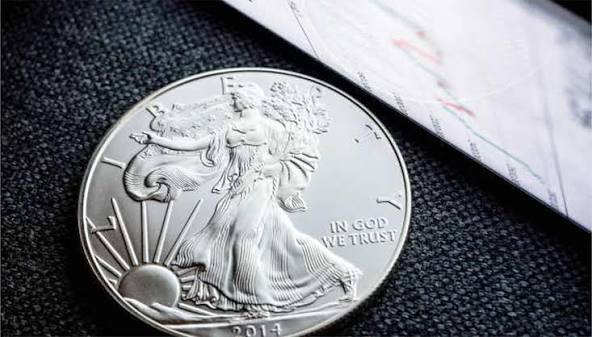
Silver stands as a favorite precious metal in Indian households for centuries. But a quick look at the daily financial news reveals a surprising fact. The market price of this white metal changes every single second of the trading day. This constant movement feels very confusing for a retail buyer who wants to purchase the metal at the absolute best price. To make smart investment choices, individuals must understand how the global market calculates pricing and trends. Monitoring the silver rate helps explain Why are silver price rising in india.
What is Silver Investment in India?
In India, buying silver is not just an old and respected tradition. It is also a highly calculated financial decision for a safe future. People routinely buy this shiny metal to protect their hard earned savings against the rising costs of daily living.
Physical purchases involve buying heavy coins, thick bars, or detailed jewelry from local shops. However, the modern digital age brings entirely new ways to hold this precious asset. Buyers can now invest in electronic forms directly through regulated financial markets, such as exchange traded funds and futures contracts.
These digital methods are very safe and completely remove the need for physical storage at home. Keeping a close watch on the silver rate helps investors decide the absolute right time to buy. This tracking also helps individuals clearly understand Why are silver price rising in india and how global events dictate domestic markets.
Reasons of Price Changes in Silver
The daily price of this metal does not change by simple magic or random chance. Multiple real world factors control its daily market value on the commodity exchanges.
- Global Mining Supply: The metal must be constantly mined from the earth to meet global needs. If mining output drops or supply chains break down, the sudden shortage makes the metal highly expensive.
- Strength of the Dollar: International commodities are always priced in US Dollars on the global market. When the dollar loses its strength, buyers using other local currencies can buy more, which actively drives the price higher.
- Inflation Rates: In high inflation, people aggressively buy precious metals to protect their wealth. Central bank interest rate decisions also deeply impact this mass buying behavior.
- Local Import Duties: India heavily imports most of its precious metals from foreign countries. When the local government increases import taxes, the domestic cost of the metal automatically rises for the retail buyer.
Impact of Non Farming Payroll in Silver Rate
The Non Farm Payroll data is a critical monthly report showing new jobs created in the United States. This single economic report has a massive impact on precious metals globally.
- Changes in Interest Rates: A weak jobs report clearly means the US economy is slowing down. This reality forces the Federal Reserve to lower interest rates to urgently support businesses.
- Currency Weakness: Lower interest rates make the US Dollar much weaker on the global stage. A weak dollar makes the metal significantly cheaper for international buyers, which instantly raises global demand.
- The Opportunity Cost: Precious metals do not pay any monthly interest to the person holding them. When regular bank deposit interest rates drop, investors prefer buying metals instead of keeping idle cash in savings accounts.
- Sudden Price Surges: Because of these combined market factors, a disappointing Non Farm Payroll report usually causes an immediate and sharp jump in silver prices.
How Gold to Silver Ratio Works in Price Change
The gold to silver ratio is a very simple mathematical tool used by veteran market traders. It exactly measures how many ounces of silver are needed to buy one single ounce of gold. This ratio acts as a compass for commodity investors.
If the stated ratio is historically high, it means silver is currently very cheap compared to gold. Traders view this specific scenario as a remarkably strong buying opportunity. They fully expect silver prices to climb rapidly and catch up with gold valuations in the near future.
On the other hand, a very low ratio clearly indicates that silver is expensive compared to gold. Investors might cleverly decide to sell their silver holdings and buy gold instead. This continuous shifting of big investments based on the ratio causes regular and noticeable price fluctuations in the daily market.
Last 10 Month Silver Price
Tracking historical data greatly helps buyers understand long term market trends. Below mentioned are last 10 month silver rate per kg in india
| Sl.No. | Date | Silver Price (Per Kg) |
|---|---|---|
| 1 | 1 July 2026 | Rs. 2,45,000 |
| 2 | 1 June 2026 | Rs. 2,80,000 |
| 3 | 1 May 2026 | Rs. 2,55,000 |
| 4 | 1 April 2026 | Rs. 2,55,000 |
| 5 | 1 March 2026 | Rs. 2,95,000 |
| 6 | 1 February 2026 | Rs. 3,20,000 |
| 7 | 1 January 2026 | Rs. 2,38,000 |
| 8 | 1 December 2025 | Rs. 1,88,000 |
| 9 | 1 November 2025 | Rs. 1,52,000 |
| 10 | 1 October 2025 | Rs. 1,61,000 |
(Note: Values for earlier months are closely estimated based on historical records provided by Bankbazaar to show the market movement clearly)
How to Start Trading in Silver
Entering the commodity market is incredibly simple with modern digital tools. Interested investors just need to follow a few basic and straightforward steps.
- Open a trading account: The very first step is to open a Demat and trading account with a reliable broker. A list of popular and trusted brokers includes Pocketful, Zerodha, Upstox, Groww, and Angel One.
- Complete the KYC process: Investors must legally verify their personal identity to trade safely. This standard process involves submitting digital documents like a PAN card, Aadhaar card, and valid income proof.
- Choose the investment format: Buyers can carefully pick between Silver Exchange Traded Funds, mutual funds, or commodity futures. Each available format has distinct risk levels and specific capital requirements for the buyer.
- Add funds and place orders: Once the new account is fully active, users can securely transfer money from their linked bank. They can then quickly search for their preferred silver asset and confidently place a buy order.
Advantage of Investing in Silver
Adding this brilliant white metal to a financial portfolio brings several distinct and powerful benefits. Here are four main advantages.
- Hedge Against Inflation: The real value of paper currency drops over time due to silent inflation. This metal naturally increases in value, perfectly protecting the buyer’s future purchasing power.
- High Industrial Usage: Unlike standard gold, silver is heavily used in modern manufacturing. Constant massive demand from the green energy and electronics sectors keeps its core value incredibly strong.
- Portfolio Diversification: The daily price of this metal often moves completely independently from the standard stock market. Holding it smartly reduces overall portfolio risk during terrifying economic crashes.
- Great Affordability: It is currently much cheaper than gold and exclusive platinum. This lower entry price allows small retail buyers to start investing without needing huge amounts of starting capital.
Limitation of Investing in Silver
While the financial benefits are undeniably strong, prudent buyers must also be fully aware of the risks involved. Here are four limitations to consider.
- Storage Challenges: Physical coins and heavy bars require highly secure storage spaces. Renting bank lockers or buying home safes adds extra unrecoverable costs for the physical investor.
- High Making Charges: Buying traditional jewelry involves high making and hidden wastage charges. These frustrating extra fees cannot be recovered at all when the item is finally sold later.
- No Regular Income: Unlike dividend paying corporate stocks or bank fixed deposits, precious metals do not generate any monthly or yearly income. Total profit only comes from successfully selling at a much higher price.
Conclusion
Investing in precious metals remains a highly tested strategy for building long term generational wealth. Understanding daily price changes greatly helps buyers navigate the complex market with total confidence and clear logic. While the market definitely has its extreme highs and sudden drops, the industrial and traditional demand keeps the future outlook highly positive. Educated buyers can strategically use these temporary price drops as great opportunities to steadily add to their long term financial holdings.