

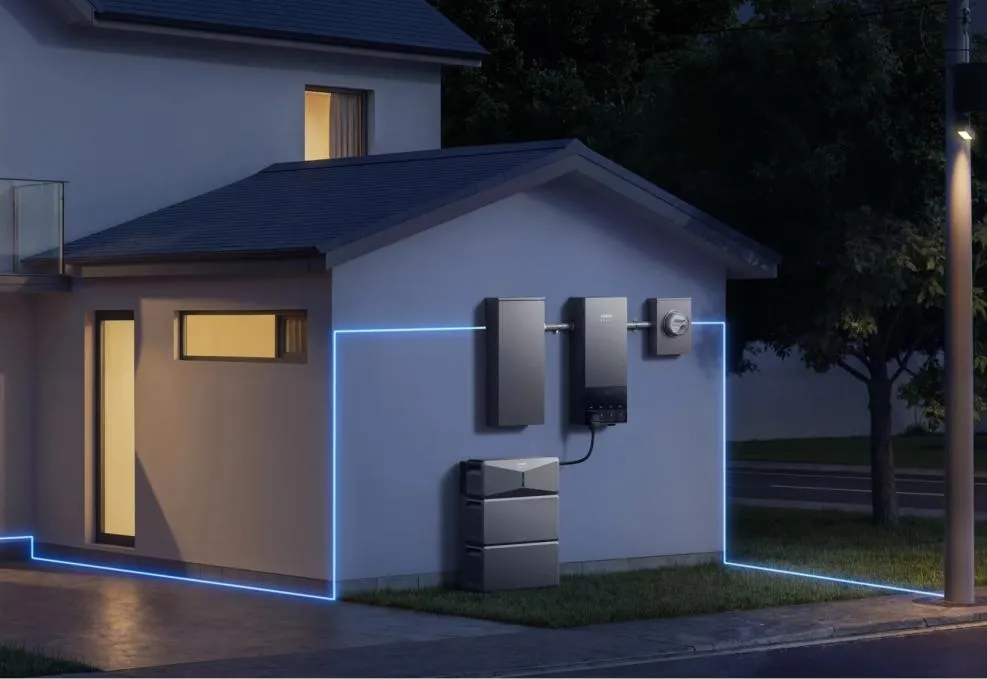
A hurricane outage plan is only as strong as the battery backup system behind it. Before a storm arrives, take time to confirm that your system can actually carry the loads you expect, switch over without delay, and stay protected in the conditions your home may face. A quick pre-storm review helps you catch low charge levels, incorrect backup settings, blocked equipment clearances, or weak recharging plans before the grid goes down. It also helps you avoid wasting stored energy on nonessential circuits. These five checks focus on the basics that matter most: battery readiness, transfer performance, installation safety, runtime planning, and recharge capability during a long power interruption after landfall.
Check That Your Battery System Is Ready to Supply Power
1. Confirm Battery Charge, Backup Reserve, and System Status
As you track forecasts and learn how the hurricanes are named, check that your battery has enough charge before the storm arrives. If your system allows a backup reserve setting, raise that reserve before the hurricane so stored energy is preserved for an outage instead of routine evening consumption. Check the app or control panel for warnings, communication faults, inverter errors, battery temperature alerts, or pending software issues that could interfere with operation. If your system has multiple battery modules, confirm each unit is online and reporting normally. Review whether recent utility charging or solar charging has completed as expected. This is also the right time to verify capacity details for your setup. Anker SOLIX E10 Whole-Home Backup supports 6-90kWh battery expandability, which directly affects how much energy you actually have available.
2. Verify Essential Circuits and Power Transfer Operation
Your battery backup should support the circuits that matter most during a hurricane, such as refrigeration, lighting, communications equipment, medical devices, sump pumps, and selected outlets. Review your backed-up load panel or system settings and confirm those circuits still match your current outage priorities. If you added appliances or changed breakers recently, verify they were assigned correctly. Then confirm that power transfer works as intended. A system that looks ready on screen still needs to switch from grid power to backup power properly when utility service fails. If your installer or manufacturer guidance allows it, perform a controlled transfer test before storm conditions arrive. Watch for abnormal delays, unexpected load drops, or error messages. Systems designed for whole-home resilience, including solutions with ≤20ms seamless switchover and a 200A Power Dock, can help maintain continuity for critical household loads.
3. Review Equipment Placement, Clearances, and Flood Exposure
Physical installation conditions matter just as much as battery capacity. Inspect the battery, inverter, disconnects, and related hardware to make sure the area is dry, accessible, and free of stored items, debris, or combustible materials that could block ventilation or create hazards. Maintain the manufacturer’s required clearances around all equipment so airflow and service access are not compromised. Look for signs of water intrusion, corrosion, loose conduit, or storm damage from previous seasons. If any part of the system sits in a garage, exterior enclosure, or lower level, think carefully about flood exposure. Backup equipment should not be left vulnerable to rising water, wind-driven rain, or impact from loose objects. Also confirm that shutoffs and labels remain visible. If conditions around the installation have changed, schedule a qualified inspection before hurricane conditions make corrections harder.
Check That Your Stored Energy Matches Your Outage Plan
4. Recalculate Runtime for Your Priority Appliances
Do not assume last season’s runtime estimate still reflects your current needs. Recalculate how long your stored energy can support your priority appliances based on actual wattage, startup surges, and expected hours of use per day. Focus on the loads you truly need during an outage: refrigerator, freezer, modem, phone charging, fans, lighting, garage door access, or medical equipment. Then total those energy needs and compare them with your usable battery capacity, not just the advertised maximum. If your system can deliver high output, also check whether several major loads may run at once during recovery periods. For example, a whole-home setup with 10-30kW turbo output may handle demanding loads better, but runtime still depends on how much energy is stored and how carefully you manage use. Update your outage plan so everyone in the home follows the same priorities.
5. Confirm Compatible Recharging Options for Extended Outages
Many hurricane outages last longer than one battery cycle, so your recharge strategy needs to be clear before the storm. If you have solar, confirm that panels are operational, strings are reporting normally, and the battery system is configured to accept charging during an outage. Also review how weather after landfall may affect production, since heavy cloud cover can slow recovery. If your system supports generator integration, verify fuel availability, startup procedure, and compatibility with the battery system rather than assuming any portable unit will work. A coordinated setup can make extended outages far easier to manage. Anker SOLIX E10 Whole-Home Backup supports 9-27kW solar input and a 4.5kW smart generator option, giving homeowners more than one path to recharge stored energy. Test your plan now so you are not troubleshooting during severe conditions.
Conclusion
A home battery backup can make hurricane outages safer and more manageable, but only if it is prepared before the weather turns. Checking charge level, reserve settings, essential circuits, transfer operation, equipment placement, runtime, and recharge options gives you a realistic picture of what your system can do when the grid fails. These steps also help you correct small issues before they become major problems during a prolonged outage. Use your battery with a clear priority list, protect the equipment from flood and debris risks, and confirm how you will restore stored energy after the first discharge. A short pre-storm review now can prevent confusion, preserve power, and improve resilience when conditions become unpredictable.