
Great content isn’t just about well-written articles or engaging videos. The images you use play an equally important role in capturing attention, building trust, and keeping readers engaged. Whether you’re running a blog, managing a business website, producing social media content, or publishing news articles, selecting the right stock photography platform can significantly impact the quality and effectiveness of your content.
With dozens of stock photo websites available today, it’s easy to become overwhelmed. Some specialize in creative lifestyle photography, while others focus on editorial images, sports, business, or breaking news. Pricing models, licensing agreements, search functionality, and image quality also vary considerably.
Here’s what you should consider before choosing a stock photography platform.
Start With Your Content Type
Not every stock library is built for the same audience.
Ask yourself:
- Are you writing blog articles?
- Do you create social media posts?
- Do you publish news stories?
- Do you cover sports?
- Do you produce marketing materials?
- Do you create educational resources?
A travel blogger may need scenic landscapes and lifestyle photography, while a sports publication requires licensed editorial images from professional games. Choosing a platform that specializes in your niche will save countless hours searching.
Understand Commercial vs. Editorial Images
One of the biggest mistakes content creators make is confusing commercial and editorial photography.
Commercial images are designed for advertising, websites, brochures, and promotional campaigns. They usually feature models with signed releases and property permissions.
Editorial images document real events, celebrities, athletes, news stories, and public life. These images generally cannot be used to advertise products but are perfect for journalism, news coverage, sports reporting, and educational content.
If your website regularly discusses current events, entertainment, politics, or professional sports, editorial photography is essential.
Evaluate Image Quality
High-resolution images instantly make content look more professional.
Look for platforms that consistently offer:
- Sharp focus
- Accurate colors
- Proper lighting
- Natural composition
- Multiple orientation options
- Large file sizes suitable for web and print
Avoid platforms filled with outdated or low-resolution content, as poor visuals can reduce your site’s credibility.
Consider Search Functionality
The best stock photo platform isn’t necessarily the one with the largest library.
Instead, look for one that helps you quickly find what you need.
Useful search features include:
- Keyword suggestions
- Filters by orientation
- Color filtering
- Editorial or commercial filtering
- Date filtering
- Sports league filtering
- Photographer collections
Powerful search tools can reduce image sourcing time dramatically, especially for publishers creating content daily.
Look for Niche Coverage
Some stock libraries excel in specific industries.
Examples include:
- Sports
- Healthcare
- Finance
- Technology
- Travel
- Food
- Education
- Business
If you publish within one niche, choose a platform that continually adds relevant content rather than relying solely on general photography.
Sports Publishers Need Specialized Coverage
Sports content moves quickly.
If you’re covering:
- NFL
- NBA
- MLB
- NHL
- MLS
- NCAA football
- NCAA basketball
- Tennis
- Soccer
- Golf
You’ll want access to recent editorial photography that reflects current players, teams, uniforms, and events.
Some stock libraries now provide dedicated editorial sports collections that make locating professional sports photography much easier than searching general image databases.
Compare Licensing Carefully
Licensing terms vary more than many people realize.
Questions to ask include:
- Can images be used commercially?
- Are there usage limits?
- Can images be modified?
- Are attribution requirements necessary?
- Can they appear in printed products?
- Are editorial restrictions clearly explained?
Understanding licensing protects your business from accidental misuse.
Consider Library Size
Large isn’t always better.
A platform with 300 million images sounds impressive, but if finding the right image takes twenty minutes, productivity suffers.
Instead, evaluate:
- Search accuracy
- Image relevance
- Content freshness
- Collection organization
Sometimes a smaller, better-organized library delivers faster results.
Fresh Content Matters
Current imagery helps your content remain relevant.
This is particularly important for:
- Sports
- News
- Entertainment
- Politics
- Technology
- Business
Older photos may feature outdated branding, retired athletes, discontinued products, or obsolete technology.
Choose platforms that continually update their collections.
Think Beyond Photos
Many modern stock platforms now include:
- Videos
- Illustrations
- Icons
- Backgrounds
- Templates
- Vector graphics
- Motion graphics
Having multiple asset types under one subscription can simplify content production.
Compare Pricing Models
Every platform structures pricing differently.
Common options include:
Subscription Plans
Ideal for businesses downloading images regularly.
Benefits:
- Lower cost per download
- Predictable monthly expense
- Large download allowances
Credit Packages
Better for occasional users.
Advantages:
- No recurring subscription
- Flexible purchasing
- Suitable for freelancers
Free Collections
Useful for startups or hobby websites, although image selection and licensing may be more limited.
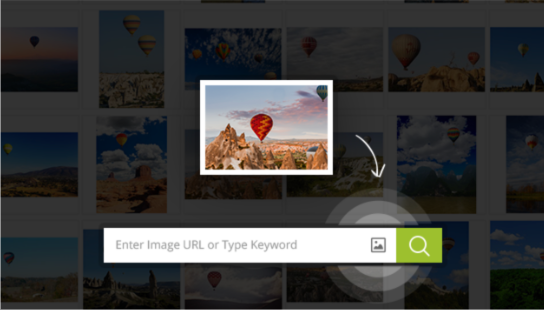
AI Search Features
Artificial intelligence is changing image discovery.
Many platforms now allow users to search using conversational prompts rather than exact keywords.
For example, instead of searching:
“business meeting office”
you can search:
“small startup team celebrating product launch.”
AI-powered search often produces more relevant results and speeds up workflow.
Consider International Coverage
If your audience is global, choose a library with international content.
Look for images covering:
- Multiple countries
- Diverse cultures
- International business
- Worldwide sporting events
- Global landmarks
A broader collection allows your content to resonate with more readers.
Best Platforms to Consider
Several stock photography platforms serve different types of creators.
Getty Images
Getty Images is one of the most recognizable names in professional photography. It offers extensive commercial and editorial collections covering news, entertainment, sports, business, and current events. It’s often chosen by major media organizations that require premium, exclusive imagery.
Vecteezy
Vecteezy has grown into a versatile platform offering stock photos, vectors, videos, and an expanding editorial collection. It is particularly useful for bloggers, marketers, and publishers looking for affordable creative assets alongside editorial photography. Its sports editorial library includes coverage across major leagues such as the NFL, NBA, MLB, MLS, and NCAA competitions, making it a practical option for sports-related content.
Adobe Stock
Adobe Stock integrates seamlessly with Creative Cloud applications, making it especially convenient for designers. Users can license images directly within Photoshop, Illustrator, and InDesign, streamlining creative workflows.
Shutterstock
Shutterstock provides one of the largest stock media libraries available, offering millions of photos, videos, vectors, music tracks, and illustrations. Its extensive search filters make it easy to locate content across virtually every industry.
Reuters
Reuters specializes in breaking news and editorial photography. Journalists and publishers covering politics, world events, business, and sports often rely on Reuters for timely, high-quality images documenting current events.
Customer Support Is Worth Considering
Even experienced publishers occasionally have questions about licensing or downloads.
Choose a provider with:
- Responsive customer service
- Helpful documentation
- Clear licensing explanations
- Reliable account management
Good support becomes especially valuable for agencies or businesses managing large content libraries.
Test Before You Commit
Most platforms offer free images, trial downloads, or flexible subscriptions.
Before purchasing a long-term plan:
- Search for your typical topics.
- Compare image quality.
- Evaluate download speeds.
- Review licensing.
- Test search accuracy.
- Measure how quickly you can find usable images.
A short trial often reveals more than reading feature lists.
The right stock photography platform should fit your workflow, budget, and content goals—not simply boast the largest image library. Consider the type of content you create, the licensing you need, and how efficiently you can discover relevant visuals. Whether you’re producing marketing campaigns, educational resources, or fast-moving news and sports coverage, choosing a platform with strong search tools, current collections, and clear licensing will help you publish more engaging content while saving valuable production time.
Ultimately, the best platform is the one that consistently helps you tell better stories through compelling, high-quality visuals.