
Most homeowners know that a burst pipe or overflowing toilet needs attention immediately. The more difficult plumbing problems are the ones that start quietly. A drain takes a little longer to empty, the water pressure feels slightly different, or a strange sound appears whenever someone turns on the tap. Because the problem is still manageable, it is easy to put it off for another day.
That can be a costly habit.
Plumbing problems rarely become more convenient with time. A small leak can damage cabinets or flooring, while a recurring drain blockage may point to a deeper problem in the pipework. Even a water heater that is taking longer than usual to provide hot water can be showing signs that something needs attention.
The good news is that homeowners can often spot warning signs before a relatively small issue becomes a major repair. Knowing what to look for is the first step.
1. A Drain That Keeps Running Slowly
A slow drain is one of the most common plumbing complaints in a home. It may begin with water taking an extra few seconds to disappear from the sink before gradually becoming a much bigger problem.
Kitchen sinks can collect grease, food particles and other debris, while bathroom drains commonly deal with hair, soap residue and personal-care products. A minor blockage may respond to simple cleaning, but if the same drain repeatedly slows down after being cleared, there may be a restriction farther along the pipe.
Repeated blockages are worth investigating rather than continually treating with chemical drain products. The location and cause of the obstruction matter, particularly when several fixtures begin showing similar symptoms.
2. Several Drains Start Backing Up
One blocked sink is one thing. Several fixtures draining slowly at the same time are a different matter.
If the kitchen sink, shower and bathroom drains all begin behaving strangely, the problem may be further into the home’s drainage system. A main-line restriction can affect multiple fixtures because they ultimately connect to the same drainage network.
Gurgling sounds, unpleasant smells and water appearing in an unexpected drain can also provide useful clues. If wastewater backs up into a shower or another low-level fixture when a toilet is flushed, it is sensible to stop repeatedly using the affected plumbing and investigate the cause.
3. The Toilet Keeps Running
A toilet that continues running after it has been flushed may seem like a minor annoyance, but it can waste a surprising amount of water over time.
The cause is often relatively straightforward, such as a worn flapper, faulty fill valve or problem with the float mechanism. In some cases, however, the issue can be related to a larger problem with the toilet or its connections.
If adjusting the handle or replacing an inexpensive internal component does not solve the problem, continuing to ignore the sound is unlikely to make it disappear. A constantly running toilet also means the household is paying for water that is simply going down the drain.
4. Water Pressure Suddenly Changes
Water pressure naturally varies between homes and plumbing systems, but a sudden and unexplained change deserves attention.
Low pressure throughout the property can have several possible causes, including problems with the main water supply, a leak, a damaged pipe or restrictions within the plumbing system. If pressure has gradually decreased over a long period, there may be buildup or deterioration somewhere in the system.
The pattern can also provide useful information. If only one tap has poor pressure, the problem may be local to that fixture. If showers, sinks and other outlets throughout the house are affected, it is worth looking beyond a single faucet.
5. You Notice Water Where It Shouldn’t Be
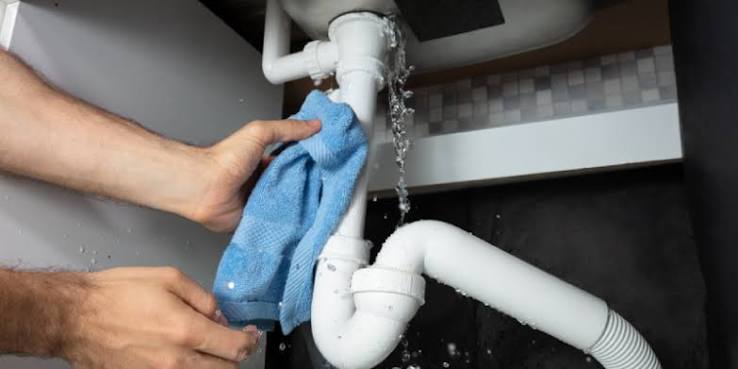
A damp patch under a sink is easy to spot, but plumbing leaks are not always that obvious. Water can travel along cabinets, floors and walls before becoming visible somewhere else.
Look for unexplained dampness around toilets, under sinks, near water heaters and around exposed pipework. Musty smells, swollen cabinetry, peeling paint and discoloured walls can also indicate that moisture is present where it should not be.
If a leak is active, turn off the relevant water supply if it is safe to do so and deal with it promptly. The longer water remains in flooring, drywall, cabinetry or other materials, the greater the chance of secondary damage.
6. Your Water Heater Is Acting Differently
Most people do not think much about their water heater until the shower suddenly turns cold.
A complete loss of hot water is an obvious warning sign, but there can be earlier indications. Water may take longer to heat, the temperature may fluctuate, unusual noises may come from the unit, or water may appear around its base.
Different water heaters can develop different faults, so diagnosing the exact cause is important before deciding whether a repair or replacement makes sense. Factors such as the unit’s age, condition and type can all influence the appropriate solution.
Regular attention is particularly useful because a water heater failure can quickly become an inconvenience for the entire household.
7. Your Faucets Keep Dripping
A dripping faucet may not seem urgent, especially if the water disappears down the sink and causes no obvious damage. Nevertheless, a persistent drip usually indicates that a component inside the fixture is worn or no longer sealing properly.
Sometimes the solution is as simple as replacing a cartridge, washer or other internal component. In other cases, an older or damaged faucet may be better replaced altogether.
It is also worth paying attention to leaks around the base of the faucet or beneath the sink. A visible drip is easy to notice; a slow leak inside the cabinet can continue for much longer before anyone realises there is a problem.
8. You Hear Strange Sounds From the Pipes
Your plumbing system should not sound like it is having a conversation with itself every time somebody turns on a tap.
Banging, knocking, rattling, whistling and persistent gurgling can all have different causes. Some noises may be related to water pressure or pipes moving slightly when water flow changes. Others can indicate air, restrictions or problems with particular fixtures.
The timing of the noise is useful information. Does it happen when a toilet is flushed? Only when the washing machine runs? Whenever a tap is opened? Or does it continue after the water has been turned off?
Making a note of when the sound occurs can help a professional narrow down the cause.
9. Your Sewer System Shows Warning Signs
Sewer problems deserve particular attention because they can quickly move from an inconvenience to a serious household issue.
Repeated backups, unpleasant sewage smells, unusually slow drains and gurgling toilets can all indicate that the drainage system needs investigation. Tree roots, damaged pipes, accumulated debris and other issues can affect sewer lines, and the right solution depends on what is actually happening inside the pipe.
Modern inspection equipment can help identify problems without immediately resorting to unnecessary excavation. A sewer camera, for example, can provide a view inside the line and help establish whether there is a blockage, break or other issue.
If sewage is backing up into the home, treat it as an urgent problem rather than waiting to see whether it clears on its own.
10. You Suddenly Have No Water
A complete loss of water is obviously disruptive, but before assuming there is a major plumbing failure, check whether the issue affects the entire property or only one fixture.
If neighbours are experiencing the same problem, there could be an interruption to the local supply. If the problem is limited to your home, check the main shutoff and any accessible valves if you can do so safely.
A sudden loss of water combined with other symptoms, such as unusual sounds, visible leaks or unexplained water around the property, deserves prompt investigation.
When Is a Plumbing Problem an Emergency?
Not every plumbing issue requires someone to arrive in the middle of the night. A slow drip that has remained unchanged for weeks is very different from water actively flooding a room.
Situations that can require urgent attention include a burst pipe, uncontrolled leak, sewage backup, serious flooding or a complete loss of water accompanied by signs of a plumbing failure.
The first priority during an active leak is to stop the water if you can safely reach the appropriate shutoff. Move valuable belongings away from the affected area and avoid electrical hazards around standing water.
Once the immediate risk is controlled, professional help can determine what caused the problem and what needs to be done to prevent it from happening again.
Should You Try to Fix It Yourself?
There are some basic plumbing jobs that homeowners can reasonably handle, particularly when the problem is obvious and the repair is straightforward. Replacing a showerhead, cleaning an accessible drain trap or changing a simple faucet component may be manageable for someone comfortable with basic tools.
The situation becomes different when the source of the problem is unclear, water is actively causing damage or the repair involves concealed pipework, sewer lines, water heaters or major connections.
In those situations, trying several fixes without identifying the actual cause can make the eventual repair more complicated. It can also turn a manageable problem into one involving water damage.
How to Find the Right Plumbing Help
When a plumbing problem goes beyond a simple household fix, choosing a qualified professional matters. Look for appropriate licensing and insurance, clear communication about the problem, and a written explanation of what work is recommended.
It also helps to choose someone who actually serves your area rather than contacting a company that happens to rank for a generic plumbing search. For homeowners searching locally, plumbers fleming island can be a useful starting point when looking for residential plumbing assistance in the Fleming Island area.
Before work begins, ask what has been diagnosed, what the proposed repair involves and whether there are different options available. A good professional should be able to explain the issue in language a homeowner can understand.
A Little Maintenance Can Prevent Bigger Problems
You do not need to become a plumbing expert to keep an eye on your home’s plumbing.
Check beneath sinks occasionally for moisture. Pay attention to changes in water pressure. Do not ignore recurring drain blockages. Keep an eye on the water heater and listen for unusual sounds. If a toilet starts running continuously, deal with it rather than becoming so accustomed to the noise that you stop noticing it.
It is also worth knowing where the main water shutoff is located before an emergency happens. When water is suddenly pouring through a ceiling or across the floor, you do not want to spend twenty minutes searching for a valve.
Don’t Wait for a Small Problem to Become a Big One
Plumbing systems are easy to ignore when everything is working properly, which is precisely why small changes are worth noticing. A drain that repeatedly blocks, a toilet that never stops running or a water heater that suddenly behaves differently may be giving you an early warning.
Not every plumbing problem is an emergency, and not every issue requires a major repair. The important thing is understanding when a symptom is likely to be more than a minor inconvenience.
A little attention at the right time can help protect the home from water damage, reduce wasted water and make unexpected plumbing problems considerably easier to manage. When something does go beyond a simple DIY fix, getting the cause identified properly is usually a better approach than repeatedly treating the symptom and hoping it goes away.