

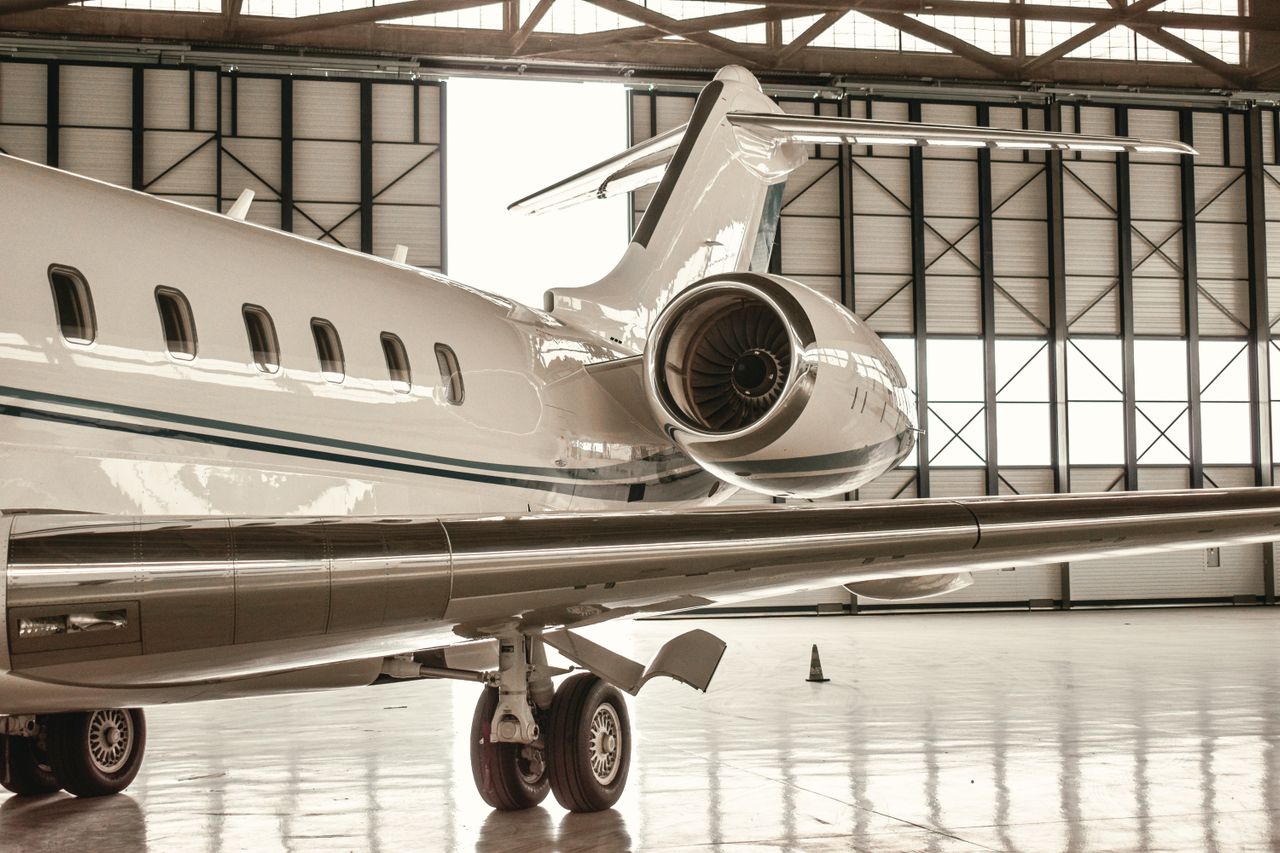
Aviation maintenance demands an extraordinary level of precision. Technicians routinely work within tolerances measured in thousandths of an inch, and even the smallest deviation can carry serious consequences for flight safety. To meet these exacting standards, the industry depends on specialized tools engineered specifically for aviation environments—equipment that goes far beyond what you’d find in a general mechanical shop. Understanding which tools deliver the greatest impact on maintenance accuracy helps organizations make smarter, more confident decisions about their ground support equipment investments.
Aircraft Jacks and Tail Stands
Proper aircraft lifting equipment is foundational to nearly every major maintenance task. Aircraft jacks and tail stands allow technicians to safely elevate and stabilize an aircraft during landing gear inspections, retraction tests, and structural repairs. Without stable, precisely positioned support, safe access to critical components becomes difficult—and accurate wheel alignment or brake system checks become nearly impossible. Professionals performing landing gear retraction tests and structural inspections rely on high-quality aircraft jacks designed with load-rated capacity markings, locking mechanisms, and height-adjustment controls that ensure consistent, repeatable positioning across multiple maintenance cycles. Tail stands, in particular, provide the rear stabilization necessary to prevent tipping during nose-heavy procedures, making them an indispensable part of any serious maintenance operation.
Torque Wrenches Calibrated for Aerospace Standards
Torque wrenches rank among the most frequently used precision tools in aviation maintenance, and their accuracy simply isn’t negotiable. Aviation fasteners must be tightened to exact specifications to prevent structural failure or component loosening caused by in-flight vibrations and pressure changes. Aerospace-grade torque wrenches are calibrated to meet strict industry standards, including those established by the FAA and major airframe manufacturers. Technicians rely on both click-type and digital torque wrenches, with digital models offering real-time readout displays that meaningfully reduce the risk of human error. Maintaining regular calibration schedules for these tools ensures their accuracy stays within acceptable tolerances throughout their entire service life.
Borescopes for Internal Inspection
Not long ago, visually inspecting internal engine components, fuel lines, and hydraulic systems meant extensive disassembly and significant downtime. Modern borescopes have fundamentally changed that process, giving technicians the ability to examine hard-to-reach areas with minimal intrusion. Aviation-grade borescopes feature high-resolution cameras, adjustable lighting, and flexible insertion tubes capable of navigating complex internal geometries. Advanced models can record video footage and capture still images, creating a documentation trail that supports compliance with maintenance records requirements. The ability to detect cracks, corrosion, or foreign object debris early—without extensive teardown—can dramatically reduce both labor costs and aircraft downtime.
Rivet Guns and Squeeze Riveters
Sheet metal work sits at the heart of airframe maintenance, and proper rivet installation is critical to structural integrity. Aviation rivet guns and squeeze riveters are purpose-built to deliver consistent, controlled force throughout the fastening process. Pneumatic rivet guns are calibrated to specific pressure settings that drive each rivet to the correct depth without damaging surrounding material. Squeeze riveters, which apply even bilateral pressure, are especially valuable when working in confined spaces where positioning a bucking bar isn’t practical. Selecting the right tool for each rivet type and location directly influences the quality and long-term durability of the finished repair.
Digital Multimeters and Avionics Test Equipment
Modern aircraft are packed with sophisticated electrical systems, avionics, and sensors that require specialized diagnostic tools to service correctly. Digital multimeters designed for aviation use offer high accuracy, auto-ranging capabilities, and shielding against the electromagnetic interference commonly found in hangar environments. Avionics test equipment—including pitot-static testers and transponder test sets—allows technicians to verify system performance against regulatory standards without requiring a test flight. These tools help isolate faults quickly, cutting troubleshooting time and ensuring that every repair is validated before the aircraft returns to service. For any maintenance operation servicing aircraft with sophisticated avionics suites, investing in quality electrical diagnostic equipment isn’t optional—it’s essential.
Conclusion
The tools a maintenance team uses directly reflect the quality and reliability of the work they produce. From the structural support provided by aircraft jacks and tail stands to the diagnostic precision of avionics test equipment, each specialty tool plays a unique and vital role in upholding aviation safety standards. Technicians who have access to well-maintained, purpose-built equipment are far better positioned to identify issues early, perform accurate repairs, and satisfy stringent regulatory requirements. Organizations that prioritize investing in high-quality specialty aviation tools send a clear message—not just about operational efficiency, but about their unwavering commitment to airworthiness and passenger safety.