
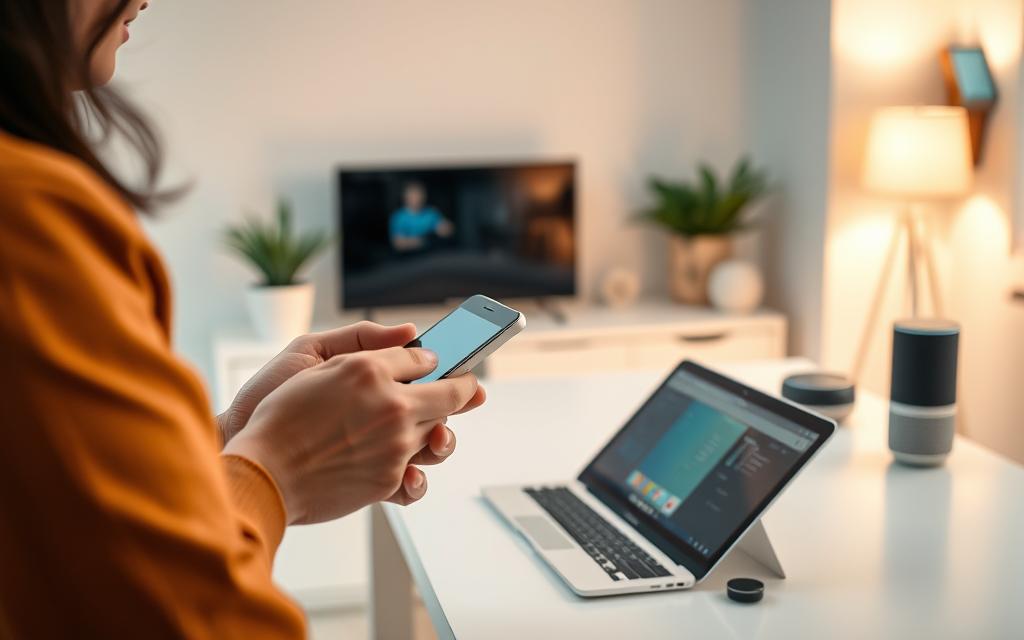
Technology has changed the way people manage many ordinary parts of their daily lives. A device that once seemed unnecessary can quickly become part of a routine when it offers convenience, portability, or a simpler way to handle a familiar task. From smartphones and wireless headphones to fitness trackers and compact personal devices, modern technology is increasingly designed around individual habits.
This shift is not only about having more technology. It is also about how people choose, carry, store, and use the products they bring into their daily routines. Size, battery life, design, reliability, and ease of use can all influence whether a device becomes something people actually keep using.
As personal technology continues to become smaller and more specialized, it is worth looking at why these products have become such a noticeable part of modern life.
Why Personal Devices Have Become So Popular
Large electronic equipment once dominated many areas of everyday life. Computers needed dedicated desks, music players required separate collections of media, and many household devices were designed to stay in one location.
Modern products have moved in a different direction. Manufacturers increasingly focus on compact designs that can fit into bags, pockets, drawers, vehicles, or small living spaces. This makes technology easier to carry from one place to another.
Convenience plays a major role in this change. People often prefer products that do not require complicated setups or large amounts of space. A smaller device can also make sense for someone who travels frequently, works outside the home, or simply prefers to keep personal belongings to a minimum.
The result is a growing market for products designed around specific activities rather than broad functions.
Portability Has Changed What People Expect From Products
Portability is more than making something physically smaller. A genuinely portable product needs to fit naturally into a person’s routine.
Consider something as simple as wireless earbuds. Their popularity is not only related to sound quality. Their small size means they can be stored in a pocket, charged in a compact case, and carried almost anywhere.
The same principle applies to many other personal devices. People often compare dimensions, weight, charging requirements, controls, and storage options before deciding whether something is suitable for their lifestyle.
This is particularly important when products are used away from home. A device that looks convenient on a desk may become inconvenient if it is too bulky to carry or difficult to store safely.
For this reason, portability has become an important part of product design rather than an extra feature.
Small Devices Can Still Offer Different Experiences
Two products can perform similar functions while having noticeably different designs. One may be slim and lightweight, while another may have a larger body with additional controls or features.
These differences can affect how a product fits into everyday life.
Someone who spends most of their time at home may not care much about carrying a device around. For someone who regularly travels, however, dimensions and weight can become much more important.
Personal vaporizers provide one example of this wider trend toward compact technology. People researching products such as thc vapes may encounter different shapes, sizes, and designs depending on the type of device available. For adults considering legally available products where permitted, checking product specifications can help them understand what they are looking at rather than judging an item entirely from photographs.
The larger point is that product dimensions can influence practical decisions across many categories of personal technology.
Design Is About More Than Appearance
A product can look attractive in a photograph without necessarily being convenient for everyday use. Good design needs to consider how a person will interact with the product after taking it out of the packaging.
Buttons, charging ports, screens, grips, cases, and storage compartments all contribute to the experience. Even small changes in shape can affect whether something feels comfortable to hold or easy to store.
This is why product descriptions often include measurements alongside photographs. A picture can provide an idea of appearance, but dimensions give shoppers a more realistic sense of scale.
For example, a product described as “compact” may still be larger than someone expects. Likewise, a slightly larger product may offer features that make the additional size worthwhile for its intended user.
Reading specifications before purchasing can therefore prevent many simple surprises.
Battery Life Has Become a Major Consideration
As more personal devices become rechargeable, battery performance has become another important part of everyday convenience.
People generally do not want a device that constantly needs to be connected to a charger. Battery capacity, charging time, charging method, and power consumption can all affect how practical a product becomes.
This is particularly noticeable with devices people carry outside the home. A product may have an excellent design, but frequent charging can make it less convenient for someone with a busy schedule.
Modern consumers therefore tend to look beyond appearance. They want to know how long a device can operate, how quickly it can recharge, and whether the charging equipment is easy to carry.
These details may seem minor when comparing products online, but they can have a significant effect after purchase.
Personal Technology Is Becoming More Individual
One of the biggest changes in consumer technology is the move toward products designed for specific preferences.
Instead of one device trying to satisfy everyone, manufacturers now produce different versions for different types of users. Some people want the smallest possible option. Others prefer larger displays, stronger batteries, additional controls, or more features.
This creates more choice, but it also means shoppers need to think about their own habits.
A product that works well for one person may not suit another person at all. Someone who values portability may prioritize size, while another person may care more about durability or battery capacity.
There is no single ideal specification for every user. The useful question is whether the design matches the person’s actual routine.
Why Product Specifications Matter
Online shopping has made it easier to compare products, but it has also made product specifications more important.
When people cannot physically hold an item before purchasing it, measurements and technical information provide useful context. Dimensions, weight, battery details, materials, and included accessories can help create a clearer picture of what the product is actually like.
This is especially useful for smaller personal devices because photographs can make objects appear larger or smaller than they really are.
A simple habit of checking specifications can therefore make online shopping more predictable. Instead of choosing entirely from photographs or promotional descriptions, shoppers can compare measurable details and decide whether a product fits their needs.
The Future of Everyday Technology
Personal technology is likely to continue moving toward products that are compact, specialized, and easier to carry.
That does not necessarily mean every device will become smaller. In some categories, people may prefer larger designs because they offer longer battery life, better screens, stronger construction, or additional functions.
The more important trend is personalization. Consumers increasingly have access to products designed around particular lifestyles and routines.
This gives people more control over the technology they bring into their daily lives. It also makes informed comparison more valuable than simply choosing the most popular product.
Final Thoughts
Modern personal devices have changed considerably because people expect technology to fit into their lives rather than forcing their lives to fit around technology.
Portability, size, battery performance, design, and specialized features all influence whether a device becomes genuinely useful. These factors matter across many categories, from everyday electronics to compact personal products.
As technology continues to develop, the most useful products may not necessarily be the ones with the longest feature lists. Instead, practical design and a good match with the user’s routine can make a much bigger difference.
For consumers, paying attention to the details behind a product can make purchasing decisions clearer and help ensure that the technology they choose actually fits the way they live.