

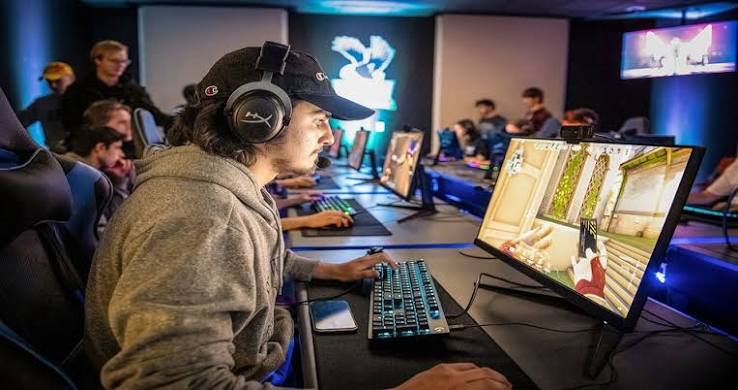
When I started university, I assumed my slot days would shrink to the odd weekend session between assignments. Then I walked past a stall at the freshers’ fair with a banner reading “Esports Society” and a queue of people waiting to sign up. Within a month I was practising twice a week with a team, travelling to a regional tournament and making friends I still talk to today. Collegiate esports has become a real pathway for students who love competitive gaming. It offers structure, community and, at some institutions, even scholarships. Here’s what it looks like, how to get involved and how to keep your studies on track along the way.
What Collegiate Esports Looks Like
Student esports varies widely between countries and institutions. At one end, you’ll find casual clubs that meet for game nights. At the other, there are university-backed programmes with coaches, dedicated arenas and organised schedules.
Most university esports scenes include some combination of:
- Student societies or clubs run by volunteers.
- Competitive teams for popular titles, often with tryouts.
- Student leagues where universities compete against each other over a season.
- Campus tournaments open to all skill levels.
- Social events like watch parties and casual game nights.
Some institutions treat esports similarly to traditional sports, with official varsity teams and staff support. Others leave it entirely to students. Both can offer brilliant experiences.
Joining or Starting a Team
If your university already has an esports club, getting involved is usually easy:
- Find the club through student union listings, social media or freshers’ events.
- Join the community channels to hear about tryouts and events.
- Attend casual sessions to meet people before competitive tryouts.
- Try out for a team if one exists for your game.
- Offer to help with organisation, social media or events, even if you don’t make a roster.
If there’s no club, consider starting one. Most student unions have a process for registering new societies. You’ll usually need a small group of founding members, a constitution and a committee.
Honestly, the people who ran our society got as much from it as the players. Organising tournaments, managing budgets and negotiating with sponsors gave them experience that impressed employers far more than any rank.
Being a substitute or support player is valuable too. Teams need reliable backups, analysts and managers, and those roles often lead to starting positions later.
Balancing Study and Competition
This is the hardest part. University workloads can be intense, and competitive gaming demands regular practice. A few strategies help:
- Treat practice like a class. Fixed practice times are easier to plan around than unpredictable sessions.
- Plan around deadlines. Look at your assessment calendar and reduce gaming commitments during exam periods.
- Communicate with your team. Good teams understand when members need time for coursework.
- Protect your sleep. Late-night scrims can wreck productivity the next day.
- Keep your degree first. Most student players won’t go pro, and their qualification matters long term.
Collegiate esports works best when it supports your university life rather than replacing it. Many players find that the routine of team practice actually helps them manage time better overall.
Scholarships and Opportunities
In some countries, especially the United States, certain colleges offer esports scholarships. These can cover part of tuition for skilled players who compete for the institution. Availability, requirements and value vary widely, and competition for places can be strong.
Elsewhere, scholarships are less common, but other opportunities exist:
- Sponsored tournaments with prizes such as equipment.
- Industry networking through events and partnerships.
- Internships with gaming companies or tournament organisers.
- Representation in national university championships.
- Content creation through team streams and video projects.
If you’re interested in scholarships, research programmes carefully. Check eligibility, academic requirements, which games are supported and what commitments come with the funding.
Skills Beyond Gaming
Many students worry that time spent on esports is time wasted. In my experience, the opposite is often true. Competitive teams build skills that transfer well:
- Teamwork and communication under pressure.
- Leadership, especially for captains and organisers.
- Analytical thinking from reviewing matches and strategies.
- Event management from running tournaments.
- Marketing and media skills from promoting the club.
- Resilience from handling losses and setbacks.
When writing a CV, describe your esports involvement in terms of these skills. “Organised a tournament for eighty players across six universities” says far more than “played competitive games.”
FAQ
What is collegiate esports?
It’s organised competitive gaming at colleges and universities, including student clubs, campus teams and inter-university leagues.
Do universities offer situs slot scholarships?
Some do, particularly in the United States. Availability and requirements vary widely between institutions.
Can I join a university esports team as a beginner?
Yes. Many clubs have casual groups and social events, and non-player roles like management and content are always welcome.
University is a rare time when you can build communities around what you love with few barriers. Join the club, try out for a team, help run events and keep your studies steady. Collegiate esports can give you competitive memories, lasting friendships and skills that serve you long after graduation day.