

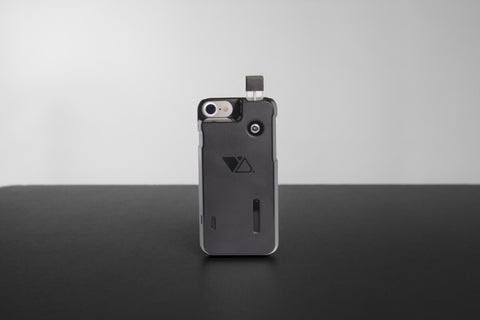
A vape case is more than a small accessory designed to make a vaporizer look neat. It is a practical storage solution that helps protect a vape device from everyday bumps, scratches, dust, pressure, and accidental contact with other objects. Whether someone carries a compact vape pen, a pod device, a portable vaporizer, or a larger setup with several accessories, keeping the equipment loose inside a pocket or backpack can create unnecessary problems. A case gives the device its own protected space, much like a phone case protects a smartphone from the everyday abuse that comes with carrying it around. The difference is that vape equipment can also include chargers, cartridges, removable batteries, tools, and other small components that are easy to lose or damage. A properly designed case brings those pieces together while keeping them separated and easier to access.
The right case also becomes increasingly useful when portability matters. A person who travels regularly does not want a device moving around inside luggage, pressing against keys, coins, chargers, or other hard objects. Battery-powered vaping devices require particular attention because lithium batteries can present fire risks when damaged or short-circuited. The FDA recommends following the manufacturer’s battery instructions, using recommended batteries, protecting devices from extreme temperatures, and charging them on a clean, flat surface away from materials that can easily catch fire. A good vape case therefore combines convenience with sensible storage, although it should never be treated as a replacement for proper battery handling or manufacturer instructions.
What Is a Vape Case?
A vape case is a protective container, pouch, sleeve, or carrying box designed to store a vape device and, depending on its design, related accessories. Some cases are extremely compact and are made to hold only a single vape pen or small pod device. Others are larger organizers with separate sections for a vaporizer, charging cable, cartridges, tools, and batteries. The basic purpose remains the same: reduce unnecessary exposure to impact, scratches, dirt, pressure, and accidental activation while making the equipment easier to carry.
The market includes many different designs because vape hardware itself comes in many shapes and sizes. A slim silicone sleeve may be perfect for someone who carries one compact device every day, while a traveler may prefer a rigid EVA case with molded compartments. Some cases use zippers, magnetic closures, elastic loops, mesh pockets, or foam inserts to keep equipment from moving around. Recent case designs commonly focus on organization as well as protection, with separate sections for the main device, cables, cartridges, and small accessories.
Why Modern Vape Devices Need Better Storage
Portable vape devices may look durable, but their small electronic components still need protection. A device dropped onto a hard floor can suffer cosmetic damage, a cracked screen, a damaged charging port, or internal problems that are not immediately visible. Even when a device survives the impact, repeated contact with keys and other objects can gradually leave scratches and dents. Dust and debris can also accumulate around mouthpieces, charging ports, buttons, and airflow areas when a device is regularly carried without protection.
Storage becomes even more important when removable batteries are involved. Loose batteries should not simply be thrown into the same pocket as coins, keys, or other metal objects. The FAA specifically recommends individually protecting spare lithium batteries against short circuits and gives battery cases or protective pouches as examples of appropriate protection. A well-designed vape storage case can therefore help create separation between different components, but users still need to follow the battery manufacturer’s instructions.
Why Use a Vape Case?
The biggest reason to use a vape case is simple: prevention is easier than replacement. A quality device can represent a meaningful investment, and carrying it without protection exposes it to small risks every day. One drop from a desk, one hard impact inside a backpack, or repeated pressure from other objects can eventually turn a functioning device into an expensive replacement. A case creates a physical barrier between the device and many of those everyday hazards.
There is also a convenience factor. Instead of searching through a bag for a charging cable or wondering where a cartridge disappeared, a dedicated case keeps everything in one place. This is especially useful for people who carry their device between home, work, travel destinations, or other locations. Some users may not need a large organizer, but even a compact sleeve can make everyday carrying more controlled.
Protection From Drops and Scratches
A case with padding or a rigid exterior can reduce the direct impact of accidental knocks. Hard-shell designs are particularly useful when equipment is carried in backpacks or luggage where other objects may press against it. Soft cases offer a different kind of protection by reducing surface scratches and cushioning smaller impacts while keeping the overall setup lightweight.
No case can guarantee that a device will survive every accident, however. Protection depends on the construction of the case, the quality of the internal padding, how tightly the device fits, and the type of impact involved. The goal is not to make the device indestructible; it is to reduce everyday exposure to avoidable damage.
Better Organization for Accessories
A case becomes even more valuable when it has separate storage sections. Small accessories can easily disappear when they are carried loose in a backpack or drawer. A dedicated cable pocket, elastic holder, or mesh compartment can prevent the entire kit from becoming one tangled collection of equipment.
Organization can also reduce unnecessary contact between components. A battery should not casually roll around next to metal objects, and delicate parts should not be crushed beneath heavier equipment. Good internal design turns a simple pouch into a compact organizer that makes daily use much easier.
Types of Vape Cases
Not every vape case is designed for the same purpose. Choosing the right style starts with understanding how and where the device will be carried. A person who needs quick access during daily commuting has different requirements from someone carrying multiple pieces of equipment during a trip.
The most common choices include hard-shell cases, soft pouches, silicone sleeves, and larger travel organizers. Each design offers a different balance between protection, portability, storage capacity, and convenience.
Hard-Shell Vape Cases
Hard-shell cases are built around a rigid exterior that helps resist crushing and impact. Common materials include EVA, reinforced plastic, and other structured materials. Inside, they may use foam, fabric, elastic straps, or molded sections to hold the equipment in place.
A hard case makes sense when the vape will spend considerable time inside luggage or a backpack. It is also useful for people who want stronger physical protection than a thin sleeve can provide. The trade-off is size: stronger protection generally means more bulk.
Soft Vape Pouches
Soft pouches prioritize portability and flexibility. They can be made from fabric, nylon, polyester, leather-like materials, or padded synthetic fabrics. They are usually lighter than hard cases and can fit easily into pockets or small bags.
For everyday carrying, a soft case may be enough if the device does not face heavy pressure or rough handling. It is particularly convenient for compact setups where the main goal is preventing scratches, dust, and minor impacts rather than providing heavy-duty protection.
Key Features to Look For
A good vape case should match the way the device is actually used. Start with the fit. If the case is too large, the device may move around and hit the sides during transport. If it is too small, the device may be squeezed against the closure or accessories, creating unnecessary pressure.
Padding is another important consideration. Foam or soft lining can provide an additional layer between the device and the outer shell. Separate compartments are equally useful because they keep accessories from rubbing against one another. A secure zipper, latch, or magnetic closure also matters because an excellent interior is not very useful if the case constantly opens inside a bag.
Padding, Compartments, and Secure Closures
Look for a case that gives each important component enough space. The device should fit without being forced into position, while cables and small accessories should have their own areas. If removable batteries are part of the setup, dedicated battery storage is especially important because it helps prevent contact with metal objects.
The case should also be easy to open and close. A zipper that catches constantly or a closure that does not stay secure can quickly become frustrating. Good design is often invisible: everything fits naturally, nothing rattles excessively, and the case can be opened without turning into a small puzzle.
Choosing the Right Size
Size should be based on the equipment you actually carry rather than the equipment you might carry someday. A small vape pen does not need a large travel organizer, while a larger portable vaporizer with accessories may quickly outgrow a simple sleeve. Oversized cases can also become inconvenient because they take up unnecessary space.
Measure the device before buying a case, especially if the product listing provides internal dimensions. Remember to account for accessories that need to travel with the device. A slightly larger organizer may be worthwhile if it keeps everything together, but excessive empty space can allow the equipment to move around during transport.
Vape Cases for Everyday Carry
For everyday use, portability usually matters as much as protection. A slim case can fit into a backpack, shoulder bag, or larger pocket without creating unnecessary bulk. If the device is carried frequently, lightweight materials and quick access can make a bigger difference than heavy-duty construction.
An everyday case should also protect against the ordinary mess of daily life. Keys, coins, dust, pens, cables, and other objects can all share the same bag. Separating the vape from those items reduces scratching and accidental contact while making the setup easier to locate.
Vape Cases for Travel
Travel introduces another level of planning because a vape device may contain a lithium battery. The FAA states that battery-powered electronic smoking devices must be carried on one’s person or in carry-on baggage and that travelers must take effective measures to prevent accidental activation. Protective cases are specifically listed by the FAA as one possible way to help prevent accidental activation.
The UK’s Civil Aviation Authority similarly advises travelers to keep vapes and power banks in the cabin rather than checked luggage and to check with the airline for applicable requirements. Airline and destination rules can vary, so a case should be viewed as part of safe packing rather than the entire travel solution.
Battery Storage and Safety
Battery safety deserves special attention when discussing any vape case. A protective case can reduce physical contact and movement, but it cannot make a damaged battery safe. The FDA advises consumers to use only batteries recommended for their device and to avoid mixing different brands or charge levels. It also recommends keeping devices away from extreme temperatures and charging them on a clean, flat surface.
For removable batteries, individual protective storage is particularly important. Spare lithium batteries should be protected from contact with metal objects because a short circuit can create a dangerous amount of heat. The FAA recommends individual protection such as a battery case, sleeve, or other suitable method that prevents the terminals from contacting metal.
How to Pack a Vape Case Safely
Packing should begin with inspection rather than simply placing everything inside. Check the device for visible damage, leaking components, or a damaged battery. Do not use a case to hide a problem; a case protects equipment during storage but does not repair defective hardware.
Place the main device in its dedicated compartment and secure it so it cannot move excessively. Keep removable batteries individually protected, and avoid putting loose batteries alongside keys, coins, or other metal objects. If traveling by aircraft, follow the airline’s current rules and applicable aviation requirements rather than relying only on the case manufacturer’s instructions.
Materials Used in Vape Cases
Different materials offer different benefits. EVA and reinforced plastic are popular for hard-shell cases because they provide structure and impact resistance. Nylon and polyester are common in soft pouches because they are lightweight and flexible. Silicone sleeves are useful when someone wants a close-fitting layer around a single device.
Material quality matters more than the label alone. A cheap hard shell with weak stitching and poor internal padding may offer less practical protection than a well-made soft case. Look at the complete construction: outer material, lining, stitching, zipper, padding, and compartment design.
Waterproof vs Water-Resistant Cases
A case described as water-resistant should not automatically be treated as waterproof. Water resistance can help protect against small spills, splashes, or light exposure, while waterproof construction requires a much higher level of protection. Users should always check the manufacturer’s stated rating and intended use.
Moisture can be problematic for electronic equipment, so keeping the case dry remains important. If a case becomes wet, remove the equipment and allow the empty case to dry according to the manufacturer’s care instructions. Never assume that a water-resistant exterior means the device inside can safely be exposed to water.
Vape Case Maintenance
A vape case also needs occasional cleaning. Dust, lint, residue, and other debris can accumulate inside the compartments, particularly when the case is carried frequently. Cleaning the case helps prevent that material from transferring back onto the device and accessories.
Start by removing all equipment and batteries. Use the cleaning method recommended by the case manufacturer, and make sure the interior is completely dry before putting the equipment back inside. Regular inspection also gives users a chance to notice broken zippers, damaged padding, loose stitching, or other problems before they become serious.
Common Mistakes to Avoid
One common mistake is buying a case based only on appearance. A stylish case may look excellent online but provide poor protection if the device does not fit securely. Another mistake is choosing a case that is much too large, allowing the device to move freely inside.
Overloading is another issue. Filling every compartment until the zipper barely closes can put pressure on the equipment and the case itself. Users should also avoid storing damaged batteries or devices simply because they have a protective pouch. Proper storage starts with safe equipment.
Hard Case vs Soft Case Comparison
| Feature | Hard Vape Case | Soft Vape Case |
| Impact protection | High | Moderate |
| Weight | Usually higher | Usually lower |
| Portability | Good | Excellent |
| Crush resistance | Strong | Limited |
| Flexibility | Low | High |
| Organization | Often excellent | Varies |
| Everyday pocket use | Less convenient | More convenient |
| Travel use | Excellent | Good |
A hard case is generally the stronger option for demanding travel and heavier equipment, while a soft case is often more convenient for everyday carry. Neither is automatically better. The right choice depends on the device, accessories, travel habits, and level of protection required.
How Much Should a Vape Case Cost?
The price of a vape case can vary significantly depending on materials, construction, size, branding, and storage capacity. Basic sleeves may cost relatively little, while larger hard-shell organizers can be considerably more expensive. Instead of choosing solely by price, consider what the case is protecting.
A cheap case that does not fit the device correctly may be poor value. On the other hand, an expensive case with features you never use may also be unnecessary. The best value usually comes from a case that provides the right amount of protection and organization for your specific setup.
Is a Vape Case Worth Buying?
For anyone who carries a vape device regularly, a case can be a practical investment. It reduces the amount of uncontrolled movement inside a bag, protects the exterior from everyday wear, and provides a dedicated place for accessories. Those benefits become more noticeable as the value and complexity of the equipment increase.
The strongest argument for a case is not appearance; it is convenience and prevention. A device that stays protected and organized is easier to carry, easier to find, and less exposed to avoidable damage. For frequent travelers, a case can also help create a more controlled packing setup, provided the traveler still follows current airline and battery regulations.
How to Choose a Vape Case for Your Device
Start by identifying the device dimensions and the accessories you normally carry. Next, decide whether you need a lightweight everyday pouch or a more protective travel case. If you use removable batteries, make sure the case provides appropriate separate battery storage rather than forcing batteries into a shared compartment.
Then consider construction quality. Check the internal padding, closure, stitching, compartment layout, and material. If you frequently travel, prioritize stronger protection and secure organization. If you mainly carry one compact device, a slim case may be the better choice because it provides protection without unnecessary bulk.
Conclusion
A vape case is a simple accessory, but the right one can make a meaningful difference in how a device is stored, transported, and protected. From compact silicone sleeves to structured hard-shell organizers, there is no single case that suits everyone. The best option depends on the device’s size, the accessories you carry, how often you travel, and how much protection you need.
Protection should always be combined with responsible battery handling. Official guidance from the FDA and FAA emphasizes using appropriate batteries, preventing accidental activation, protecting spare batteries from short circuits, avoiding extreme temperatures, and following airline requirements when traveling. A case supports those habits; it does not replace them.