
Travel is one of life’s great joys and one of its great teachers. Stepping into an unfamiliar place, encountering a different culture, meeting people whose lives look nothing like your own, all of it expands the mind and enriches the spirit in ways little else can. The modern traveler has more opportunity than ever to experience this, with remarkable destinations more accessible than they’ve ever been and a whole world waiting to be explored. But with that openness comes a responsibility that thoughtful travelers understand: the need to stay safe and grounded even while embracing adventure. The art of great travel lies in holding both at once, diving fully into the experience while keeping the wisdom to protect yourself along the way.
This balance matters more as travel grows more adventurous and more connected. More people are venturing to authentic, off-the-beaten-path destinations rather than packaged tourist traps. More are traveling solo, and more are meeting people along the way, often through digital platforms. These trends make travel richer and more rewarding, but they also ask the traveler to be a little wiser about trust, safety, and the people they encounter. This is a look at how to travel smart, embracing the genuine adventure that modern travel offers while cultivating the grounded awareness that keeps the experience safe and joyful rather than reckless.
The rewards of authentic destinations
One of the most exciting developments in modern travel is the growing appetite for authentic, less-commercialized destinations. Travelers increasingly seek places that offer genuine discovery rather than a packaged, over-touristed experience, places with real culture, dramatic landscapes, and the feeling of encountering something true rather than manufactured for tourists. This appetite has opened up parts of the world that were once the preserve of only the most intrepid, and it’s changing what travel can be.
Regions like the Caucasus, where dramatic mountains, ancient monasteries, legendary hospitality, and some of the oldest cultural traditions on earth combine, exemplify this kind of authentic destination. Exploring such places is deeply rewarding, and well-organized Caucasus tours make it possible to experience their wonders without the logistical challenges of navigating remote and unfamiliar terrain alone. The appeal of these destinations lies precisely in their authenticity: they haven’t been smoothed over for mass tourism, which means travelers encounter genuine culture, unspoiled landscapes, and warm, real hospitality rather than a sanitized, crowded experience.
But authentic destinations, precisely because they’re less packaged, reward travelers who come prepared and thoughtful. Venturing somewhere genuinely off the beaten path calls for a bit more planning, more adaptability, and more awareness than a heavily managed tourist destination. This isn’t a drawback; it’s part of what makes the experience meaningful. The groundedness of good preparation and sensible planning creates the foundation from which genuine, unpredictable, authentic experience becomes possible and safe. The traveler who arrives prepared gets to be fully open to everything the place offers, which is exactly the balance that thoughtful travel is all about.
Travel and human connection
Beyond places, modern travel is increasingly about people. Solo travel has surged, and with it the reality that many travelers meet others along the way, fellow travelers, locals, and people encountered through apps and online communities. This social dimension is one of the great joys of contemporary travel. Some of the most memorable experiences come from the people you meet, the spontaneous connections, the companionship of strangers who become friends, the local who shows you something no guidebook mentions.
But meeting people while traveling, especially through digital platforms, brings the same considerations that come with meeting anyone online, sometimes heightened by being far from home in an unfamiliar place. When you’re connecting with someone you’ve just met, whether a potential travel companion, a romantic connection, or someone offering to show you around, you’re extending trust to a stranger with little context, often when your usual support networks are far away. Most of the time this works out wonderfully, because most people are genuine. But the wisdom of modern travel includes recognizing that not everyone is, and that a bit of thoughtful caution doesn’t diminish the openness that makes travel connections special; it protects it.
This is where the traveler’s version of verification comes in. When you meet someone online while traveling, or before a trip, and something warrants checking, having ways to verify who a person really is can be genuinely valuable. Tools that let you look into someone’s background, including a reverse phone lookup that can reveal information tied to a phone number someone has given you, offer a way to confirm that a person is who they claim to be. For a solo traveler especially, that kind of verification is simply a sensible part of staying safe while remaining open to the connections that make travel rich. It’s not about suspicion for its own sake; it’s about the same grounded wisdom that leads a traveler to trust their instincts, tell someone where they’re going, and keep their eyes open even while embracing adventure.
The art of grounded openness
The through-line in all of this is a quality worth naming: grounded openness. The best travelers manage to hold two things at once, genuine openness to new places, experiences, and people, and a steady groundedness that keeps them safe and clear-headed. Lean too far toward caution and you close yourself off from the very things that make travel transformative, staying in your hotel, avoiding strangers, and missing the spontaneous magic that’s the whole point. Lean too far toward recklessness and you expose yourself to real risks, trusting blindly where a little discernment would serve you better. The sweet spot is a relaxed alertness: fully present and open to the adventure, while keeping a sensible awareness running quietly in the background.
In practice, grounded openness shows up in many small ways. It’s choosing a well-organized approach for a challenging destination rather than winging it unprepared, so you can immerse yourself knowing the logistics are handled. It’s saying yes to the invitation from fellow travelers while still telling someone where you’re going. It’s embracing a connection with someone you’ve met while also, when something warrants it, taking a moment to verify that they’re who they say they are. It’s trusting your instincts, both the ones that say dive in and the ones that say wait a second, and having the judgment to know which is speaking. None of this caution has to be visible or make the experience feel guarded; it’s just a quiet baseline of self-protection that lets you be more open, not less, because you know you have sensible safeguards in place.
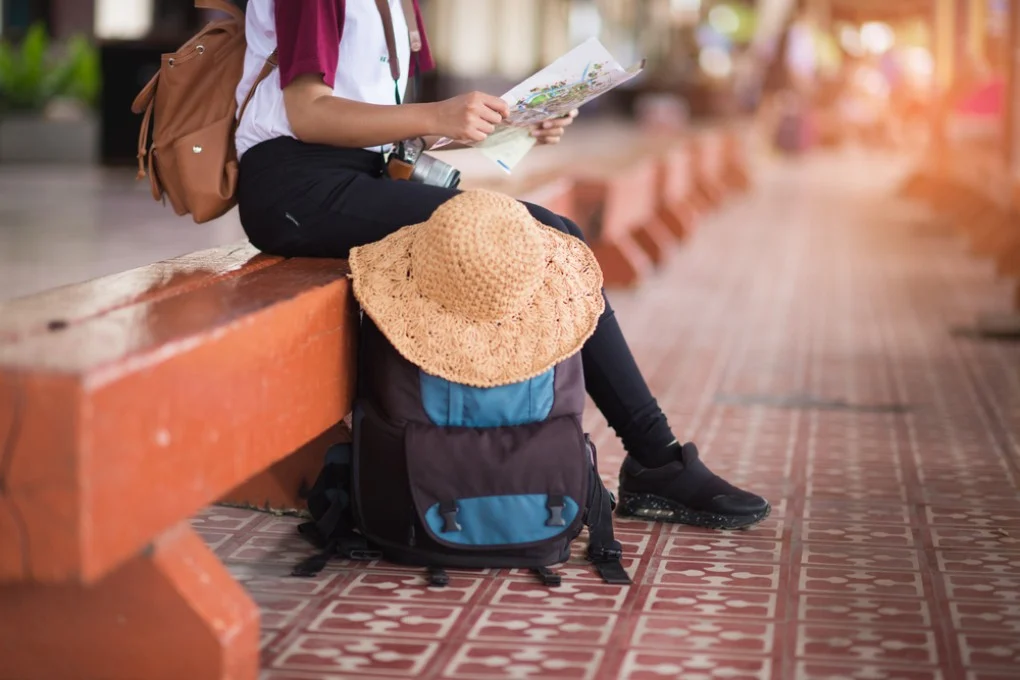
This balance is especially valuable for solo travelers, who don’t have a companion to serve as a second set of eyes and who bear sole responsibility for their own safety and decisions. For them, cultivating grounded openness isn’t just nice to have; it’s essential. It’s what allows a solo traveler to have the profound, connection-rich, adventurous experiences that solo travel is famous for, while navigating the world safely and wisely. The solo travelers who thrive are the ones who’ve mastered this balance, open enough to embrace everything travel offers, grounded enough to do it safely.
Staying safe without losing the magic
A worry some travelers have is that all this emphasis on safety and verification will drain the spontaneity and wonder out of travel, turning every encounter into a background check and every adventure into a risk assessment. It’s a fair concern, but it misunderstands what grounded openness actually is. The goal isn’t to approach travel with suspicion or fear; it’s to build a quiet foundation of sensible precaution that actually frees you to be more open, not less. A traveler who knows they’ve taken reasonable safeguards can relax into the experience, because they’re not carrying an undercurrent of anxiety about what might go wrong.
Think of it the way you’d think about any sensible precaution in daily life. Locking your door doesn’t mean you live in fear of your neighborhood; it means you’ve handled a basic precaution so you don’t have to worry about it. Checking that a person you’re getting involved with is who they say they are doesn’t mean you distrust everyone; it means you’ve grounded your trust in something solid so you can extend it confidently. The precautions fade into the background, and what remains is the freedom to embrace the experience fully. Travelers who understand this don’t experience safety and wonder as opposites but as partners, where the former enables the latter.
The magic of travel, after all, lies in genuine encounter, with places, cultures, and people. Grounded openness protects that magic rather than diminishing it, ensuring that the openness which makes travel transformative doesn’t leave you vulnerable to the small minority who would take advantage of it. The traveler who has learned to be both open and grounded gets the fullest version of what travel offers: the wonder, the connection, the discovery, all experienced from a place of security rather than anxiety. That’s not a compromise on the magic of travel; it’s what allows the magic to flourish safely.
Practical wisdom for the modern traveler
So how does a traveler put all this together into trips that are both adventurous and safe? A few principles help. First, prepare well so you can be spontaneous. The paradox of great travel is that good preparation enables spontaneity rather than constraining it. When your logistics are sorted, your destination is understood, and your safeguards are in place, you’re free to say yes to the unexpected without anxiety. Choosing well-organized experiences for the challenging parts of a trip and understanding where you’re going create the security from which real adventure becomes possible.
Second, trust people but verify when it matters. Most people you meet while traveling are genuine, and approaching them with warmth and openness is both right and the source of travel’s best experiences. But keep your instincts active, and when something genuinely warrants checking, especially with people you connect with online, use the tools available to verify rather than simply assuming. This isn’t cynicism; it’s the grounded wisdom that keeps openness safe.
Third, respect the places you go. Venturing to authentic destinations is a privilege that comes with responsibility. Approaching a place with respect for its culture, its people, and its environment isn’t just ethical; it deepens the experience. The travelers who engage respectfully with the places they visit have richer, more meaningful trips than those who treat destinations as mere backdrops.
Finally, stay connected to your own grounding. However far you roam and however deeply you immerse yourself, maintaining some connection to your own judgment, your own safety, and the people who care about you keeps you steady. Grounded openness means never fully abandoning your center even as you embrace the new, and that steadiness is what lets you go further and connect deeper, precisely because you’re not unmoored.
The bottom line
Modern travel offers more than ever, more accessible adventure to authentic destinations, more opportunity for genuine human connection, more freedom to explore the world on your own terms. Embracing all of it fully while staying safe and clear-eyed is the art of the contemporary traveler, and it comes down to grounded openness: the balance between diving into everything travel offers and keeping the steady judgment that protects you along the way. Whether you’re exploring the mountains and ancient culture of a region like the Caucasus or navigating the human connections that make travel so rich, the same wisdom applies. Prepare well so you can be spontaneous. Trust warmly but verify when it matters. Respect the places and people you encounter. And stay grounded in your own judgment even as you open yourself to the world. Do these things, and travel becomes what it should be: an adventure that’s both thrilling and safe, both wide open and wisely navigated, enriching your life without ever putting it at needless risk.