

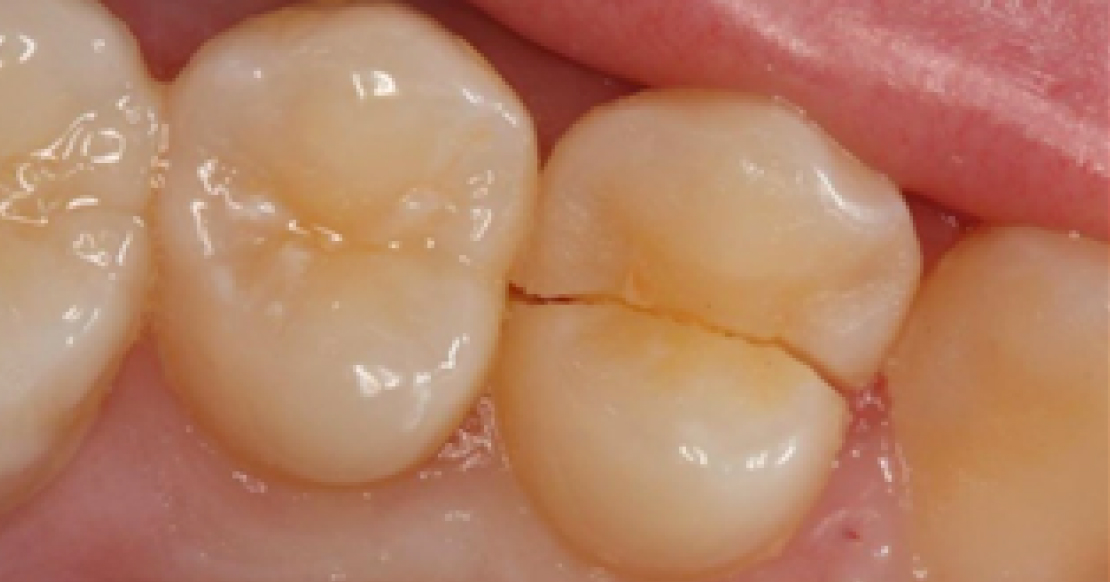
You may have noticed a quick zing when you sip something cold, or a rough spot on a tooth that was not there before. Maybe you bit down on something ordinary and felt a sharp catch that came and went so fast you wondered if you imagined it. That uncertainty is common. Small enamel cracks often start quietly, and the first signs are easy to brush off until the tooth becomes more sensitive, painful, or weak. To maintain healthy teeth with preventive dental care in Dearborn Heights, it is important to pay attention to these early symptoms and seek care before the damage worsens.
How dentists identify early signs of cracked enamel comes down to careful listening, close visual checks, and targeted tests that catch damage before it turns into a larger fracture. A general dentist looks for subtle changes in the enamel surface, bite pattern, and tooth response, then matches those findings with what you feel during eating, drinking, and daily brushing.
Early cracked enamel often shows up as small changes in how a tooth feels
Enamel is the hard outer layer of the tooth. It protects the softer inner layers from pressure, temperature, and bacteria. You can see a basic tooth anatomy image to understand where enamel sits and why even a small crack matters. When enamel begins to split or craze, you may not see an obvious break. The tooth can look normal in the mirror while still reacting in ways that signal trouble.
That is why dentists start with your symptoms. If you say a tooth hurts only when you release your bite, or feels sensitive to sweets and cold drinks, that detail matters. A hairline enamel crack can flex under pressure. The discomfort may come and go, which makes people delay care. The longer a crack is left alone, the greater the chance it spreads deeper into the tooth.
Teeth can crack for ordinary reasons. Grinding at night, chewing ice, clenching during stress, old fillings, sports injuries, and age related wear all increase strain on enamel. You do not need a dramatic accident for a crack to form. Sometimes it starts with one hard bite on a popcorn kernel and keeps worsening in small steps.
Dentists use visual exams, magnification, and bite tests to spot enamel fractures
A dental exam for possible enamel damage is usually straightforward, but it is detailed. The dentist first looks for fine lines, worn edges, tiny chips, and shadowing that can suggest a deeper split. Good lighting helps, and many offices use magnification to make narrow surface cracks easier to see. Drying the tooth is also useful because a wet surface can hide fine enamel lines.
Then comes the bite check. If a tooth hurts when you bite down or when you let go, that response can point to a crack. Dentists often use a small bite tool to isolate pressure on different parts of the tooth. This helps identify which cusp or section is under stress. That matters because not every crack needs the same treatment, and not every painful tooth is cracked.
X rays may be part of the visit, though very early enamel cracks do not always show clearly on standard images. X rays are still useful because they help rule out other causes, such as decay, bone loss, or problems around the root. In some cases, special lighting or dyes may help reveal the crack pattern more clearly. According to an overview of cracked tooth findings and management, diagnosis often depends on combining symptoms with exam findings rather than relying on one single test.
Small enamel cracks can be confused with harmless lines or other dental problems
Not every line in enamel means danger. Many people have craze lines, which are tiny surface lines that may be cosmetic and stable. A dentist separates these from a more concerning enamel fracture by looking at depth, location, symptoms, and how the tooth behaves under pressure.
If the discomfort feels random, the problem can be mistaken for sinus pressure, gum irritation, tooth decay, or sensitivity from whitening products. That confusion is part of what makes detecting cracked tooth enamel tricky in the early stage. The crack may only hurt during certain bites, at certain angles, or after repeated pressure late in the day when your jaw is tired from clenching.
Financially, waiting can cost more. A small crack may respond to polishing, bonding, or a protective restoration. A deeper crack may lead to a crown, root canal treatment, or even extraction if the fracture reaches too far below the gumline. Catching it early protects both the tooth and your budget.
Comparing what you notice at home with what a dentist can confirm
| What You Notice | What It Might Mean | What a Dentist Checks |
| Sharp pain when biting | Possible crack that flexes under pressure | Bite test on specific parts of the tooth, visual exam, X rays |
| Sensitivity to cold or sweets | Enamel damage, exposed dentin, or decay | Surface inspection, history of symptoms, decay check |
| Visible line on the tooth | Craze line or early enamel fracture | Magnification, drying the tooth, checking depth and symptoms |
| Rough edge or tiny chip | Enamel wear or a small break | Exam of the bite, surrounding enamel, and stress points |
| No visible sign, but one tooth feels “off” | Hidden crack or another dental issue | Targeted exam to narrow down the exact tooth and cause |
Practical steps help you respond before the crack gets worse
Track the pattern. Notice what triggers the discomfort. Write down whether it happens with cold drinks, sweet foods, chewing, or jaw clenching in the morning. A clear pattern helps with early signs of cracked enamel because the damage may not be obvious on first glance.
Avoid extra pressure. Stop chewing ice, hard candy, popcorn kernels, and other hard foods on the sore side. If you grind your teeth, mention it during your dental visit. Pressure is what turns a small enamel issue into a deeper tooth crack.
Book a dental exam promptly. A general dentist can check whether the tooth has a harmless surface line, a small enamel split, or a more serious crack that needs protection. If the pain is sharp, repeatable, or getting worse, do not wait for it to become constant.
Early diagnosis gives you the best chance to protect the tooth
A cracked enamel problem does not always announce itself with severe pain. Often it starts with a small warning that is easy to second guess. Paying attention to those early changes and getting them checked can keep a manageable problem from becoming a bigger one. If a tooth has started feeling different, a general dentist can sort out what is minor, what needs treatment, and what should be watched closely.
You do not have to live with the guesswork. Schedule a dental visit and get a clear answer before the crack has time to spread.