
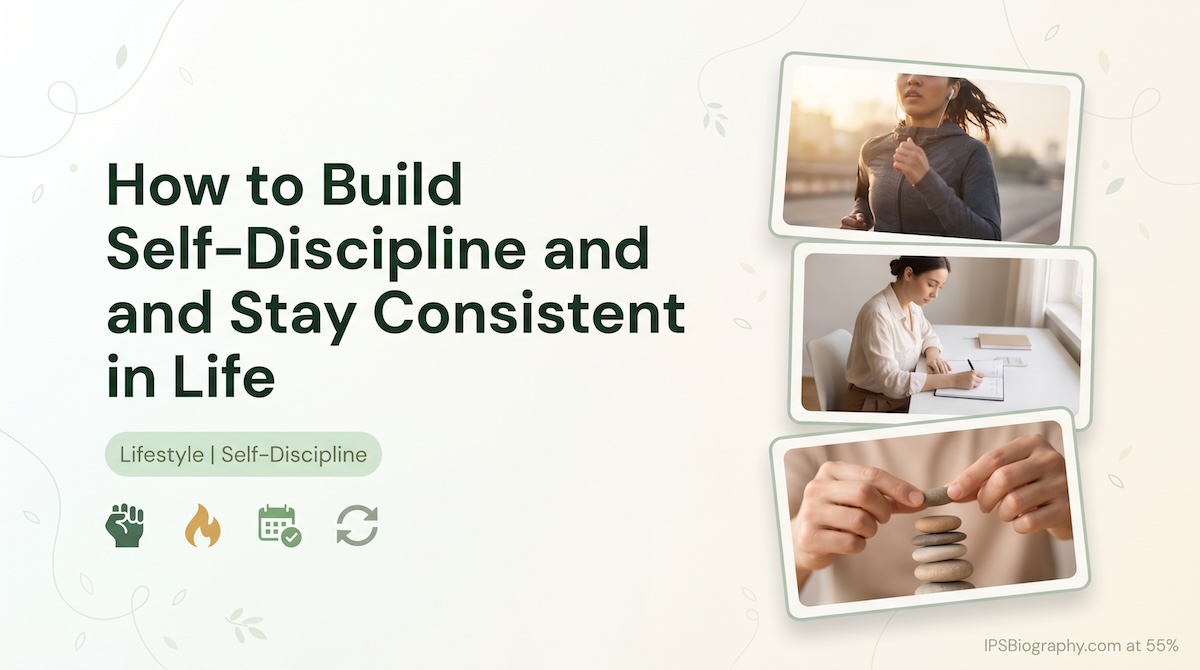
Self-discipline is one of the most important skills for long-term success, yet it is also one of the most difficult to maintain. Many people rely on motivation to get started, but motivation is temporary and unreliable.
Real progress comes from discipline, which allows you to take action even when you don’t feel like it. When you build discipline, you gain control over your habits, decisions, and ultimately your life.
Understand Why Discipline Matters
Discipline is what separates short-term effort from long-term success. Without it, you may start strong but lose consistency over time.
When you are disciplined, you don’t depend on your mood or emotions to take action. You follow a system that keeps you moving forward.
This creates stability in your life and helps you achieve goals more effectively.
Start with Small and Simple Actions
One of the biggest mistakes people make is trying to change everything at once. This leads to overwhelm and failure.
Instead, focus on small actions that are easy to follow daily. These actions build confidence and create momentum.
Once these small habits become part of your routine, you can gradually increase your efforts.
Build a Clear Daily Routine
A structured routine makes discipline easier because it reduces decision-making. When you know what to do, you are less likely to waste time.
Plan your day in advance and focus on key tasks. This helps you stay organized and consistent.
A routine removes uncertainty and improves productivity.
Control Your Environment
Your environment plays a major role in your behavior. If distractions are easily available, it becomes harder to stay disciplined.
You should create a space that supports your goals. Remove distractions and keep only what you need.
A focused environment makes it easier to stay on track.
Learn to Manage Your Emotions
Discipline is not just about actions, it is also about controlling your emotions. Feelings like laziness, boredom, or frustration can affect your consistency.
You need to recognize these emotions and not let them control your decisions.
Act based on your goals, not your temporary feelings.
Track Your Progress
Tracking your progress helps you stay accountable and motivated. It shows you how far you have come.
You can use simple tools like a checklist or journal. This keeps your efforts visible.
Seeing progress encourages you to continue.
Avoid Perfectionism
Perfection often leads to procrastination because you feel pressure to do everything perfectly. This slows down your progress.
Focus on doing your tasks consistently instead of perfectly. Small improvements are more important.
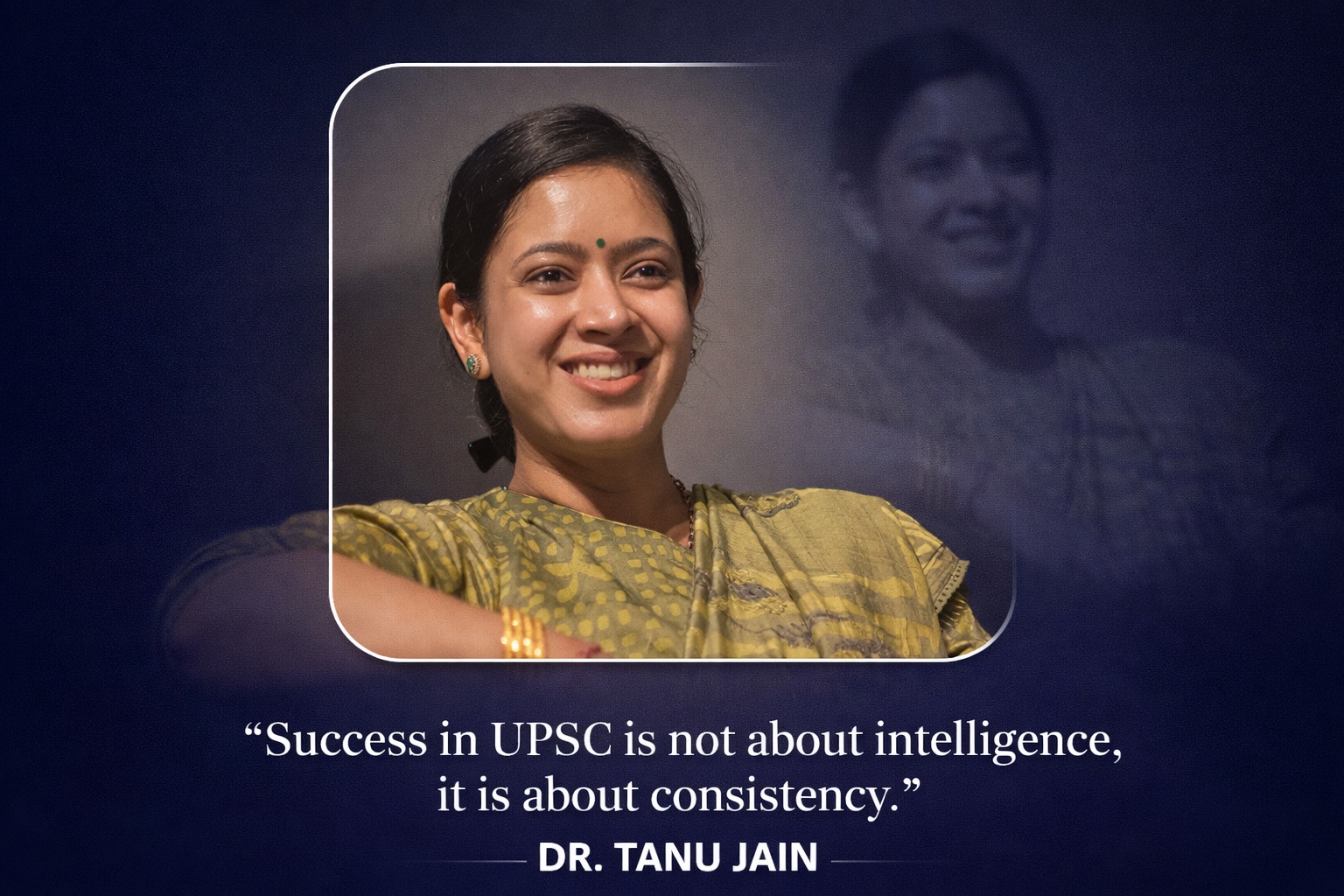
Consistency leads to better results over time.
Handle Setbacks Properly
Setbacks are a natural part of any journey. Missing a day or making a mistake does not mean failure.
The key is to recover quickly and continue your routine. Don’t let small failures stop you.
Learning from setbacks makes you stronger.
Stay Focused on Long-Term Goals
Short-term comfort often conflicts with long-term goals. Discipline requires you to choose long-term benefits over short-term pleasure.
Keep your goals in mind and remind yourself why you started.
This helps you stay committed even during difficult times.
Final Thoughts
Self-discipline is not built overnight, it is developed through consistent effort and habits. It is one of the most valuable skills you can have.
Start small, stay consistent, and focus on progress. Over time, discipline will become a natural part of your life.