
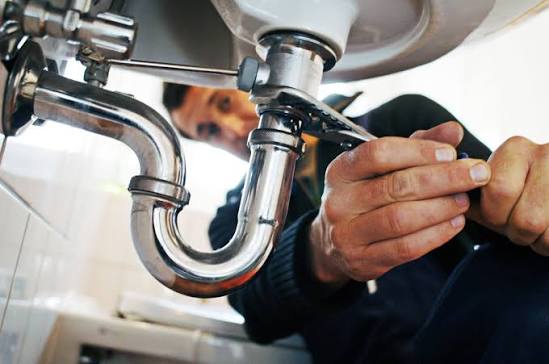
Faucets are among the most frequently used plumbing fixtures in residential and commercial properties, providing convenient access to water for cooking, cleaning, washing, bathing, and numerous everyday activities. Although faucets may appear to be simple fixtures, they contain several interconnected components that must work together to regulate water flow, maintain pressure, and prevent unwanted leakage. Handles, cartridges, washers, seals, valves, aerators, and internal connections all contribute to the overall performance of a faucet. When one of these components becomes worn, damaged, or improperly positioned, the fixture may begin dripping, producing inconsistent water flow, becoming difficult to operate, or wasting significant amounts of water. These problems can gradually become more disruptive when they are ignored, particularly if escaping water begins damaging countertops, cabinets, sinks, or nearby flooring. Professional faucet repair helps restore the proper operation of plumbing fixtures by identifying the underlying problem and addressing the damaged components. Timely attention can improve water efficiency, reduce unnecessary expenses, and help property owners maintain a dependable plumbing system.
Understanding Common Faucet Problems
Faucets experience regular wear because they are operated repeatedly throughout the day. Every time a handle is turned, internal components move to control the flow of water through the fixture. Over time, washers, cartridges, seals, and other parts may deteriorate because of friction, mineral deposits, water pressure, and continuous usage. One of the most common problems is dripping water, which may continue even when the faucet handle has been turned completely off. A persistent drip often indicates that an internal component is no longer creating a proper seal. Although the amount of water escaping may appear insignificant, a continuous drip can waste water and contribute to mineral staining around the sink. Identifying the cause early allows homeowners to address the problem before it creates additional inconvenience or damages surrounding surfaces.Another common concern involves faucets that become difficult to turn, produce irregular water flow, or fail to maintain a consistent temperature. These symptoms may result from worn cartridges, damaged internal valves, mineral buildup, or problems with the water supply connections. In some cases, the faucet handle may feel loose because its retaining components have deteriorated or become improperly secured. Other fixtures may produce unusual noises when water is running, indicating that pressure fluctuations or internal restrictions are affecting normal operation. Understanding these different symptoms is important because similar problems can have different causes depending on the faucet design and plumbing configuration. A professional inspection helps determine which components require attention and whether the issue is limited to the fixture or connected to a larger plumbing concern.
Identifying Leaking Faucets
A leaking faucet should never be ignored simply because the amount of water escaping appears small. Continuous dripping can increase household water consumption and create mineral deposits around the fixture, sink, and surrounding surfaces. If water escapes near the handle or base of the faucet, it may gradually reach the countertop or cabinet underneath, potentially damaging materials that are sensitive to moisture. Leaks around the spout may indicate worn washers, damaged cartridges, or internal sealing problems, while moisture near the base can sometimes involve loose connections or deteriorating seals. Property owners should pay attention to where the water appears because the location of a leak can provide useful information about the underlying problem. However, identifying the exact cause may require professional examination of the fixture’s internal components and surrounding connections.Some faucet leaks develop gradually and may become noticeable only when the fixture is being used. For example, water may collect around the handle when the faucet is turned on, or moisture may appear beneath the sink after several minutes of operation. These symptoms can indicate that a connection is not properly sealed or that an internal component has started deteriorating. Homeowners should also examine the cabinet space beneath sinks because concealed supply connections can sometimes leak without producing obvious signs around the faucet itself. Persistent dampness, unpleasant odors, swollen cabinet surfaces, and discoloration may indicate that water has been escaping for an extended period. Arranging a professional inspection when these warning signs appear can help prevent a relatively small plumbing problem from developing into more extensive water damage.
Repairing Damaged Faucet Cartridges
Faucet cartridges are important internal components that control water movement and, in certain faucet designs, regulate the mixture of hot and cold water. Cartridge-based faucets are commonly used in modern kitchens and bathrooms because they provide convenient operation and help maintain controlled water flow. However, cartridges can eventually wear out because of regular use, mineral deposits, and changes in water pressure. When a cartridge becomes damaged, homeowners may experience dripping water, difficulty adjusting the handle, inconsistent temperature control, or reduced water flow. The symptoms can vary depending on the faucet design and the condition of the internal mechanism. Replacing a worn cartridge with a compatible component can often restore normal operation and improve the fixture’s overall performance.Cartridge replacement requires careful attention because different faucets use different cartridge designs, sizes, and installation arrangements. Using an incompatible replacement can create additional problems, including poor sealing, restricted movement, and recurring leaks. Professional plumbers identify the faucet model and examine the existing component before selecting a suitable replacement. They also inspect the surrounding housing and connections to determine whether mineral accumulation or physical damage has affected other parts of the fixture. After installing the appropriate cartridge, the faucet should be tested to confirm that the handle moves correctly, water flow remains consistent, and the internal seals are functioning properly. This careful approach helps ensure that the repair addresses the actual problem rather than providing a temporary improvement.
Replacing Worn Washers and Seals
Washers and seals play an important role in preventing water from escaping through the different connections inside a faucet. These small components create barriers that control water movement when the fixture is turned on or off. Over time, repeated pressure and friction can cause rubber washers to become flattened, brittle, cracked, or deformed. When this happens, water may continue escaping even after the handle has been tightened. Seals around the faucet base and internal connections can also deteriorate, allowing moisture to collect in areas where it should not be present. Replacing damaged washers and seals is often an effective way to restore proper operation, provided that the surrounding faucet components remain in suitable condition.Correct replacement requires selecting components that match the faucet’s design and dimensions. An incorrectly sized washer may fail to create an effective seal, while an unsuitable sealing material may deteriorate more quickly under normal operating conditions. Professional plumbers understand how to identify compatible replacement parts and install them without damaging the surrounding components. They can also examine the valve seat and other internal surfaces to determine whether additional wear is contributing to the problem. If the valve seat has become damaged or uneven, simply replacing the washer may not provide a lasting solution. A complete assessment helps ensure that the repair addresses all relevant issues and reduces the possibility of recurring dripping.
Improving Low Water Pressure
Low water pressure can make everyday activities frustrating, especially when faucets take longer to fill sinks, wash dishes, or provide sufficient water for cleaning. Although the problem may sometimes originate from the main plumbing supply, faucet-related restrictions can also reduce water flow. Mineral deposits, sediment, and debris may accumulate inside the aerator or other internal passages, preventing water from moving through the fixture efficiently. In some situations, partially closed shutoff valves or deteriorating supply hoses may also contribute to reduced flow. Property owners should not automatically assume that a faucet needs complete replacement when pressure becomes inconsistent because a relatively small obstruction may be responsible for the problem.A professional inspection can help determine whether reduced water pressure originates within the faucet or from another part of the plumbing system. Plumbers may examine the aerator, cartridge, supply connections, and shutoff valves to identify restrictions or damaged components. Cleaning or replacing a blocked aerator can sometimes restore normal flow, while more extensive problems may require attention to internal faucet components or supply lines. If several fixtures throughout the property experience reduced pressure at the same time, the issue may involve the broader plumbing network rather than one individual faucet. Identifying the correct source is important because replacing a fixture will not solve a pressure problem caused by damaged pipes or an unsuitable water supply arrangement.
Maintaining Kitchen Faucets
Kitchen faucets are used extensively for preparing food, washing dishes, filling containers, cleaning countertops, and handling many other household tasks. Because they experience frequent operation, their handles, cartridges, seals, and aerators can gradually wear out. Pull-down and pull-out faucet designs may also contain flexible hoses and spray mechanisms that require occasional inspection. Problems can develop when hoses become damaged, connections loosen, or mineral deposits interfere with the movement of internal components. A faucet that leaks around its base may allow water to enter the cabinet below the sink, potentially damaging stored belongings and wooden surfaces. Regularly checking visible connections and monitoring the faucet’s operation can help homeowners recognize these concerns before they become more disruptive.Kitchen faucet improvements may also involve upgrading an older fixture to a design that provides better functionality and convenience. Modern options include single-handle faucets, pull-down sprayers, touch-operated models, and fixtures with improved water flow control. When installing a replacement, professionals consider the sink configuration, available mounting space, supply connections, and compatibility with existing plumbing components. They also check whether the current shutoff valves and supply hoses are in suitable condition. Proper installation helps ensure that the new fixture operates smoothly and that its connections remain secure during everyday use. Whether a kitchen faucet needs an individual component replaced or a complete upgrade, professional attention can improve the usability and reliability of this important plumbing fixture.
Maintaining Bathroom Faucets
Bathroom faucets are essential fixtures that support handwashing, personal hygiene, cleaning, and other daily activities. Their regular use makes them vulnerable to wear, particularly around handles, cartridges, aerators, and internal seals. A dripping bathroom faucet may create mineral stains around the sink, while loose handles can make water temperature and flow difficult to control. Some faucets also develop corrosion or surface deterioration that affects their appearance and operation. These problems may seem minor at first, but they can gradually reduce convenience and contribute to unnecessary water waste. Inspecting bathroom fixtures periodically allows homeowners to identify visible problems and determine whether maintenance or professional service is required.Bathroom renovations provide an opportunity to improve faucet functionality while updating the appearance of sinks and surrounding fixtures. Homeowners may choose modern designs that offer smoother handle movement, improved temperature control, and finishes that complement the overall bathroom style. However, replacement involves more than selecting an attractive fixture because the faucet must match the sink openings, mounting arrangement, and existing water connections. Professional plumbers can assess these requirements and ensure that the replacement is installed securely. They also test the hot and cold water connections, check for leaks, and verify that the fixture operates correctly. Proper installation helps protect bathroom surfaces while providing reliable access to water throughout everyday use.
Understanding Faucet Aerators
Faucet aerators are small attachments fitted to the end of many faucet spouts. They help regulate water flow by mixing air with the water stream, which can create a more controlled flow while reducing unnecessary splashing. Aerators also help improve the usability of faucets by producing a consistent stream that is suitable for washing hands, rinsing dishes, and other common activities. However, mineral deposits and small particles can accumulate inside the aerator over time, particularly when water contains a noticeable amount of dissolved minerals. This buildup may gradually restrict water movement and create an uneven or irregular stream. Homeowners may notice that water sprays in different directions or that the faucet produces less flow than usual.Cleaning or replacing an aerator can often improve faucet performance when mineral accumulation is responsible for the problem. However, the attachment must be removed carefully to avoid damaging the faucet’s finish or threads. Some aerators also contain several small internal components that need to be positioned correctly during reassembly. Professional plumbers can determine whether cleaning is sufficient or whether a replacement attachment would provide better results. They may also inspect the internal faucet passages to check whether mineral deposits have affected other components. Maintaining clean aerators helps support consistent water flow and improves the overall functionality of frequently used plumbing fixtures.
Preventing Future Faucet Problems
Preventive maintenance can help extend the useful life of faucets and reduce the frequency of unexpected plumbing problems. Property owners should avoid applying excessive force when opening or closing handles because unnecessary pressure can damage internal components and weaken connections. Faucets should be operated smoothly, and any unusual stiffness, dripping, or changes in water flow should be investigated rather than ignored. Periodically cleaning the fixture’s exterior can also help prevent mineral deposits and residue from accumulating around important moving parts. Homeowners should use suitable cleaning products because harsh chemicals or abrasive materials may damage decorative finishes and protective coatings. Simple maintenance practices can help preserve both the appearance and functionality of faucets.Water quality and pressure conditions can also influence the lifespan of faucet components. Hard water may contribute to mineral buildup inside aerators, cartridges, and other internal passages, while excessive pressure can place additional stress on washers, seals, and connections. Professional plumbers can evaluate these conditions and recommend suitable maintenance measures based on the property’s plumbing arrangement. Replacing deteriorated supply hoses and checking shutoff valves can also help reduce the possibility of unexpected water problems around faucets. A consistent maintenance routine allows property owners to identify developing concerns before they require more extensive work. Taking these precautions can help keep kitchen and bathroom fixtures operating efficiently while reducing unnecessary water consumption.
Choosing Professional Plumbing Services
Selecting an experienced plumbing professional is important when faucet problems continue returning or when internal components require specialized attention. Different faucet designs use different mechanisms, and identifying the correct replacement parts requires an understanding of the fixture’s construction. A professional plumber can inspect the faucet, determine whether the issue involves a cartridge, washer, valve, aerator, or supply connection, and recommend an appropriate solution. They can also evaluate surrounding plumbing components to identify problems that may affect the fixture’s performance. Clear communication is essential because property owners should understand what caused the problem, which components need attention, and whether repairing or replacing the faucet would be more practical.Roland Black provides plumbing services to help property owners maintain dependable fixtures and address common plumbing concerns. Homeowners looking for professional assistance can explore faucet repair services and learn more about available plumbing solutions through the company’s website. Professional support can help identify the cause of dripping fixtures, inconsistent water flow, loose handles, and other common faucet problems. Experienced workmanship also helps ensure that compatible components are selected and installed correctly. Whether a fixture requires a minor adjustment, internal component replacement, or a complete upgrade, choosing knowledgeable plumbing assistance can improve performance and reduce the inconvenience of recurring problems.
Conclusion
Faucets play an important role in maintaining the convenience and functionality of residential and commercial plumbing systems. Although they are used every day, their internal components can gradually deteriorate because of continuous operation, mineral accumulation, pressure changes, and ordinary wear. Dripping water, loose handles, inconsistent pressure, and damaged seals are common warning signs that should receive timely attention. Professional faucet repair helps identify the underlying cause of these problems and restore the proper operation of important plumbing fixtures. By maintaining kitchen and bathroom faucets, replacing worn components, and arranging professional inspections when necessary, property owners can reduce water waste, protect surrounding surfaces, and improve the reliability of their plumbing systems for years to come.