
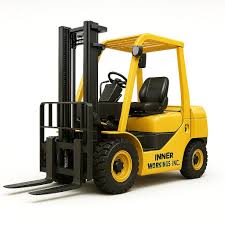
Forklifts play an essential role in modern material-handling operations, helping businesses move heavy loads, organize inventory, transport supplies, and maintain efficient workflows. Warehouses, manufacturing facilities, distribution centers, construction operations, and industrial workplaces depend on reliable equipment to complete demanding tasks safely and consistently. However, even well-maintained machines experience wear as they operate for extended hours, carry heavy materials, and navigate challenging working environments. Replacing worn or damaged components at the right time helps maintain equipment performance, reduce unexpected breakdowns, and protect employees working around lifting machinery. High-quality forklift parts are therefore an important investment for businesses that want to preserve equipment reliability and avoid unnecessary interruptions. From tires and brakes to hydraulic hoses, filters, batteries, and lifting components, every part contributes to the machine’s overall operation. Understanding the purpose of these components and maintaining them properly allows businesses to make informed purchasing decisions, improve maintenance planning, and support long-term operational efficiency.
Quality Matters
The quality of replacement components directly influences how reliably a forklift performs under demanding working conditions. Industrial equipment regularly experiences vibration, friction, pressure, temperature changes, and repeated mechanical stress, making dependable components essential for consistent operation. Low-quality or incompatible replacements may wear prematurely, interfere with connected systems, or fail to provide the performance required for a particular application. These problems can lead to additional repair expenses, extended equipment downtime, and potential safety concerns. Businesses should evaluate replacement components according to manufacturer specifications, equipment requirements, operating conditions, and expected service life rather than choosing products solely because they have the lowest initial price. Reliable suppliers can help identify appropriate options and explain differences between original equipment manufacturer components, aftermarket products, refurbished parts, and remanufactured assemblies. By prioritizing compatibility and quality, companies can make purchasing decisions that support dependable equipment operation while reducing the likelihood of repeated repairs.Selecting appropriate components also requires a clear understanding of how the forklift is used throughout the working day. A machine operating continuously in a busy warehouse may experience different wear patterns from equipment used occasionally for outdoor material movement. Heavy loads, rough surfaces, dusty environments, frequent braking, and long operating hours can influence the condition of tires, filters, hydraulic systems, and other important components. Maintenance teams should review equipment records and consider these working conditions when determining which replacements are needed. A component that performs well in one application may not be the most appropriate choice for another if the equipment specifications or environmental demands differ. Professional guidance can help businesses match replacement products to their machinery and operational requirements. This careful approach supports more predictable performance, reduces compatibility concerns, and helps companies avoid purchasing components that do not meet the needs of their equipment.
Essential Components
Forklifts contain numerous interconnected systems that must function properly to maintain safe and efficient operation. Tires support the machine’s weight and influence traction, maneuverability, and stability, while brakes help operators control movement in busy work areas. Forks and lifting chains support the handling of materials, and hydraulic components enable controlled lifting and lowering. Filters help protect engines and fluid systems from contamination, while batteries and electrical components supply or regulate power in electric models. Seats, seat belts, lights, mirrors, horns, and warning alarms contribute to operator protection and workplace awareness. Each component serves a specific purpose, so maintenance teams should understand how its condition affects the machine as a whole. When inspections reveal wear or damage, replacing the affected component promptly can help prevent secondary problems and reduce the risk of a more extensive equipment failure.Different forklift designs require different components, making accurate identification an important part of the purchasing process. Equipment manufacturers may produce several models with different lifting capacities, engine configurations, hydraulic arrangements, electrical systems, and attachment requirements. Even forklifts from the same manufacturer can use different components depending on their production year or configuration. Before ordering replacements, businesses should gather the equipment’s make, model, serial number, and relevant component information. Part numbers, maintenance manuals, and existing labels can also help confirm compatibility. Providing accurate details to a parts supplier reduces the likelihood of receiving an unsuitable component and helps speed up the ordering process. For older equipment, identifying discontinued or hard-to-find components may require additional research or access to specialized supplier networks. Maintaining organized equipment records makes future purchases easier and helps maintenance teams respond more quickly when repairs become necessary.
Tire and Brake Care
Tires and braking components deserve particular attention because they directly influence forklift control and workplace safety. Tires experience repeated pressure as equipment carries loads, turns through narrow aisles, and travels across different floor surfaces. Depending on the forklift and its application, businesses may need pneumatic tires, cushion tires, or other suitable designs that meet the manufacturer’s specifications. Incorrect tire selection or excessive wear can affect traction, maneuverability, and equipment stability. Damaged tires may also contribute to uneven movement and additional mechanical stress. Routine inspections should identify visible damage, abnormal wear patterns, and other conditions that indicate a need for professional evaluation. When replacement becomes necessary, businesses should consider the operating environment, floor conditions, load requirements, and equipment design. Choosing appropriate tires helps support predictable movement and can reduce unnecessary interruptions caused by preventable tire-related problems.Braking systems require equally careful attention because reliable stopping performance is essential when forklifts operate near employees, pedestrians, shelving, loading areas, and other machinery. Brake pads, drums, cylinders, springs, pedals, and related components can deteriorate through normal use or develop faults that affect stopping ability. Operators may notice unusual sounds, changes in pedal response, or difficulty slowing the machine, but some problems require a closer inspection to identify. Equipment showing potentially unsafe braking behavior should be removed from operation until qualified personnel evaluate the problem and complete the necessary repairs. Maintenance teams should use compatible replacement components and follow manufacturer-recommended procedures rather than attempting temporary fixes. Keeping records of brake inspections and replacements helps businesses monitor component condition and recognize recurring issues. Investing in suitable braking components and timely repairs supports safer operation while reducing the chance that a small maintenance concern will become a serious workplace hazard.
Hydraulic System Parts
Hydraulic systems provide the lifting power that allows forklifts to raise, lower, tilt, and position loads. Their performance depends on several interconnected components, including pumps, cylinders, hoses, seals, valves, filters, and fluid reservoirs. Damage to any of these elements can affect lifting speed, pressure, movement control, or the ability to hold a load securely. Hydraulic hoses may deteriorate because of age, abrasion, pressure, or exposure to demanding environmental conditions, while seals can wear and allow fluid to escape. Contaminated hydraulic fluid can also damage sensitive components and reduce system efficiency. Regular inspections help identify leaks, unusual noises, inconsistent movement, and visible deterioration before these concerns cause more extensive problems. When replacement is required, components must meet the equipment’s specifications for dimensions, pressure ratings, connections, and intended application. Correct selection and professional installation help maintain reliable lifting performance and protect the wider hydraulic system.Hydraulic maintenance should also include attention to filtration and fluid condition because contamination can gradually damage expensive components. Dirt, moisture, and other unwanted particles may enter a system through worn seals, unsuitable maintenance practices, or contaminated replacement fluids. Filters help capture contaminants, but they must be maintained and replaced according to the manufacturer’s recommendations and actual operating requirements. Using the correct hydraulic fluid is equally important because fluid properties influence lubrication, pressure transmission, and system performance. Businesses should avoid mixing products or selecting fluids based on assumptions without confirming compatibility. If a forklift begins lifting slowly, moving unevenly, or showing signs of leakage, qualified technicians should investigate the underlying cause rather than simply replacing the most visible component. A systematic approach helps ensure that replacement parts address the actual problem and reduces the risk of repeated failures.
Engine and Transmission
Forklifts powered by internal combustion engines depend on reliable engine and transmission components to deliver the power required for lifting and traveling. Filters, belts, hoses, ignition components, cooling-system parts, and fuel-system elements can all affect performance as the machine accumulates operating hours. Engine oil and other recommended fluids must remain suitable for the equipment and should be replaced according to the manufacturer’s maintenance schedule. Dirty filters or deteriorated fluids can contribute to increased wear, overheating, reduced efficiency, and avoidable mechanical problems. Transmission components also require appropriate lubrication and inspection because they help transfer power and support controlled movement. Operators should report changes such as unusual vibration, difficult gear engagement, overheating, or abnormal noises so technicians can investigate them before further damage occurs. Replacing worn components with suitable alternatives helps preserve dependable operation and may extend the useful life of expensive engine and transmission assemblies.Repairing engine or transmission problems often requires careful diagnosis because several different faults can produce similar symptoms. For example, reduced performance may result from a filtration problem, a fluid issue, a damaged connection, or a more serious mechanical concern. Replacing components without identifying the actual cause can increase maintenance expenses while leaving the original problem unresolved. Qualified technicians can inspect the affected system, review maintenance history, and determine whether an individual component needs replacement or a larger repair is necessary. For older forklifts, businesses may also need to compare the cost of repairing an existing assembly with the expense of installing a suitable replacement. Decisions should consider the machine’s condition, remaining service life, repair history, operational importance, and future maintenance requirements. Reliable replacement components and accurate diagnosis help businesses make better decisions while avoiding unnecessary spending.
Batteries and Electrical Parts
Electric forklifts rely on batteries, chargers, connectors, wiring, controllers, sensors, and other electrical components to deliver consistent performance. Battery condition can influence operating time, charging schedules, lifting capability, and the machine’s availability throughout a shift. Businesses should follow the manufacturer’s instructions for the specific battery technology because charging procedures, inspection requirements, and handling precautions can vary. Electrical connectors and cables should be inspected for visible damage, loose connections, overheating, or other warning signs. Battery-related components must also be compatible with the forklift’s voltage, capacity, dimensions, and charging requirements. Choosing an unsuitable replacement may create performance issues or damage connected equipment. Qualified technicians can evaluate battery condition, identify electrical faults, and recommend appropriate replacements when repairs are necessary. Proper maintenance and careful component selection help businesses protect their investment in electric equipment and reduce interruptions caused by charging or power-related problems.Electrical systems can become more complicated as forklifts incorporate advanced controls, electronic displays, diagnostic functions, and sensors that monitor equipment performance. A warning indicator or intermittent electrical fault may point to several possible causes, making systematic diagnosis important. Technicians may need to inspect wiring, test connections, review diagnostic codes, and confirm that replacement components communicate correctly with the existing system. Environmental factors such as vibration, moisture, dust, and temperature changes can also affect electrical reliability over time. Businesses should avoid unauthorized modifications and ensure that electrical repairs are performed by personnel with suitable training and equipment. Maintaining accurate records of faults, repairs, and replaced components helps identify recurring problems and supports more effective troubleshooting. With appropriate electrical maintenance, companies can improve equipment availability while reducing the possibility of repeated failures caused by incomplete repairs or incompatible components.
Safety Components
Safety-related components are essential to responsible forklift operation and should never be treated as optional accessories. Seat belts, operator seats, overhead guards, mirrors, lights, horns, backup alarms, and other warning devices help operators maintain control and improve awareness of surrounding activity. Damaged or missing safety equipment can increase risk, particularly in workplaces where pedestrians and forklifts share narrow aisles or busy loading areas. Daily inspections should confirm that required safety features are present and functioning correctly, while damaged components should be repaired or replaced before the equipment returns to service when their condition creates a hazard. Businesses should also ensure that replacement products meet the machine’s specifications and applicable workplace requirements. Properly functioning safety components support better working conditions and reinforce the importance of identifying and correcting equipment defects promptly.Forks and lifting chains also require careful inspection because they directly support the loads being handled. Cracked, bent, damaged, or excessively worn forks may no longer provide the intended lifting performance, while deteriorated chains can create serious hazards during lifting operations. Maintenance personnel should follow manufacturer guidance and applicable inspection requirements when evaluating these components. Equipment should not be used beyond its rated capacity, and operators must ensure that loads are stable and appropriate for the machine and its attachments. If a fork, chain, mast component, or lifting mechanism shows signs of damage, qualified personnel should assess the equipment before further use. Replacement components must match the required specifications and be installed correctly. These precautions help businesses protect employees, prevent damage to goods, and maintain safer material-handling operations.
Inventory Management
Managing replacement inventory effectively can help businesses reduce downtime and control maintenance expenses. Facilities that operate multiple forklifts may benefit from identifying the components they use most frequently and monitoring how often these items require replacement. Filters, selected hoses, common maintenance supplies, and other regularly used components may be suitable candidates for planned inventory management, depending on fleet size and operating requirements. However, stocking every possible replacement can tie up money and valuable storage space, particularly when certain components are rarely needed. A balanced approach considers equipment criticality, historical usage, supplier lead times, storage conditions, and the financial impact of a potential breakdown. Maintenance records can help managers recognize recurring demand and establish sensible reorder levels. Reviewing inventory periodically also helps prevent the accumulation of obsolete components that no longer match the equipment in service.Supplier relationships play an important role in keeping equipment available when replacements are required. A dependable supplier should be able to help identify compatible components, explain available product options, and provide useful information about ordering and expected delivery. Businesses with mixed fleets may need access to parts for several manufacturers and equipment categories, making supplier experience especially valuable. Before purchasing, maintenance teams should confirm component specifications, availability, warranty conditions where applicable, and any installation requirements. For hard-to-find components, accurate equipment information can help the supplier investigate alternatives or locate suitable inventory through its network. Maintaining organized purchasing records also makes it easier to review costs, track replacement frequency, and identify recurring maintenance needs. These practices allow businesses to respond more efficiently when equipment requires attention and help reduce delays caused by incomplete or inaccurate orders.
Choosing a Parts Supplier
Choosing a reliable supplier involves more than comparing prices or selecting the first available product. Businesses should consider component quality, compatibility, product availability, technical assistance, delivery arrangements, and the supplier’s ability to support their particular equipment fleet. Access to original equipment manufacturer parts may be important for certain applications, while suitable aftermarket, refurbished, or remanufactured options may provide alternatives when they meet the equipment’s requirements. The correct choice depends on the part involved, the machine’s condition, manufacturer recommendations, and the consequences of a component failure. Companies should also consider whether the supplier can help identify difficult components and provide access to qualified maintenance support when installation or diagnosis requires specialist knowledge. A reliable supplier relationship can simplify purchasing, reduce uncertainty, and help maintenance teams make better-informed decisions about equipment care.
Businesses looking for replacement components and equipment support can explore the resources offered by forklift parts specialists at Tri-Lift Industries. The company provides parts support for forklifts and other material-handling equipment, with options that may include original equipment manufacturer, aftermarket, refurbished, and remanufactured components depending on the equipment and the requirement. When requesting assistance, customers should have the forklift’s make, model, serial number, and available part number ready to help identify the correct item. Providing a description of the problem and information about the equipment’s operating conditions may also help the parts team narrow down suitable options. Businesses should confirm availability, compatibility, and any installation requirements before completing a purchase. Working with an experienced equipment supplier can make the replacement process more organized and help companies maintain dependable operations across their facilities.
Conclusion
Reliable equipment depends on more than the forklift itself; it also requires appropriate replacement components, regular inspections, accurate diagnosis, and a consistent maintenance strategy. Tires, brakes, hydraulic hoses, filters, batteries, electrical systems, lifting chains, forks, and safety devices all contribute to the machine’s ability to operate effectively. Businesses that monitor component condition and address wear promptly can reduce unexpected breakdowns, support workplace safety, and manage long-term operating expenses more effectively. Accurate equipment records and careful purchasing practices further improve the process by helping maintenance teams identify compatible replacements and plan future requirements. Choosing dependable forklift parts and working with an experienced supplier can help organizations protect their equipment investment, improve availability, and maintain smoother material-handling workflows. By treating component quality and preventive maintenance as ongoing priorities, businesses can create a more reliable foundation for productivity and long-term operational success.